

How to adapt E-files & other tools for left-handed nail technicians
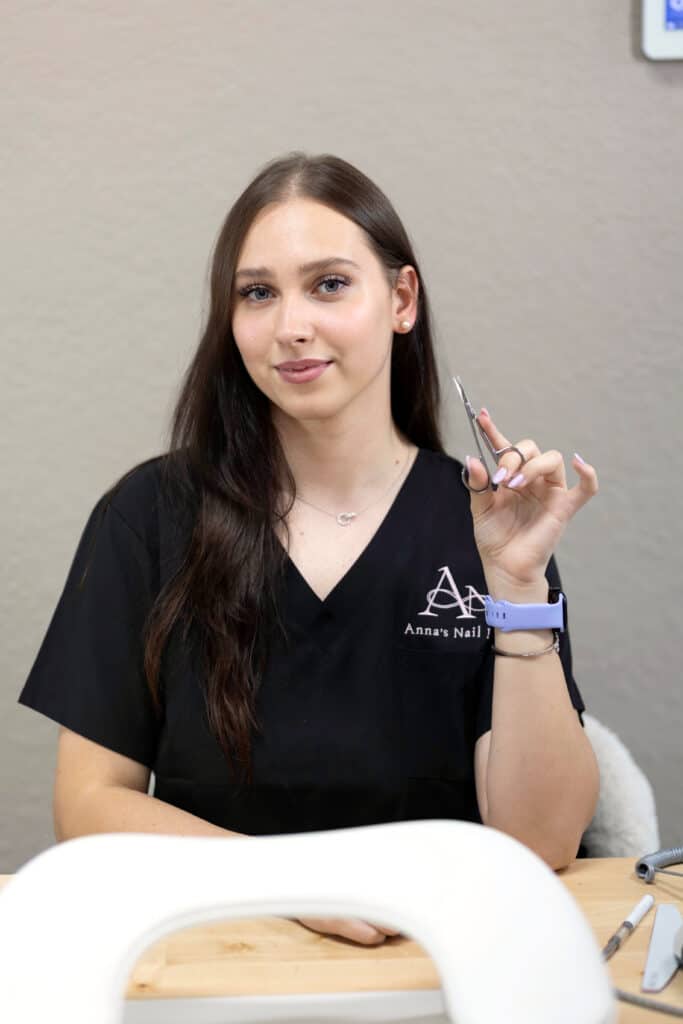
Anna Fechina is a nail professional, educator, author & researcher based in Florida. She specialises in left-handed nail techniques, and advocates for the development of more inclusive teaching methods within the nail industry. In this article, she explains how nail tools, including E-files, can be adapted to work for left-handed nail technicians…
Tools are a huge part of everyday work for nail professionals. Once a technician becomes experienced, using them can feel almost automatic.
For a left-handed beginner, however, this is often one of the areas where the difference between watching a demonstration and actually performing a movement becomes very obvious.
For example, a left-handed nail student may watch someone use an E-file with their right hand, and the movement looks smooth and logical. Then, they pick up their own equipment with their left hand, and suddenly the angle feels different, the direction unfamiliar and their own hand seems to block the view.
The important thing to understand is that left-handed nail technicians do not need a completely different set of professional rules. The principles of safe work remain exactly the same; what often needs to change is the way those principles are applied.
Concept over copying
One of the biggest mistakes a left-handed nail student can make is trying to copy a right-handed demonstration exactly.
When it comes to using an E-file, several things are happening at the same time: the technician is in charge of the angle of the bit, they are controlling the pressure, they are watching the skin and nail plate, they are choosing the direction of movement and they are positioning the client’s hand so the working area remains visible.
If a left-handed student focuses only on copying the educator’s movements, they can easily lose sight of the actual purpose of the tool.
Therefore, I prefer to teach the foundations of E-file work first, providing answers to key questions such as: What part of the bit should be working? What area should remain visible? Where should the pressure come from? What direction gives the nail technician control? Once a student understands these concepts, technique becomes much easier to adapt.
Direction can be confusing
Direction is one of the first challenges left-handed nail students notice when they begin working with an electric file.
A right-handed educator may naturally move over an area of the nail in one direction. A left-handed nail technician may feel more controlled approaching the same area differently. That does not automatically mean the left-handed version is wrong.
As long as the technician is maintaining safe contact, stable control and a clear view of the working area, their methods of working are OK to differ.
E-file settings matter
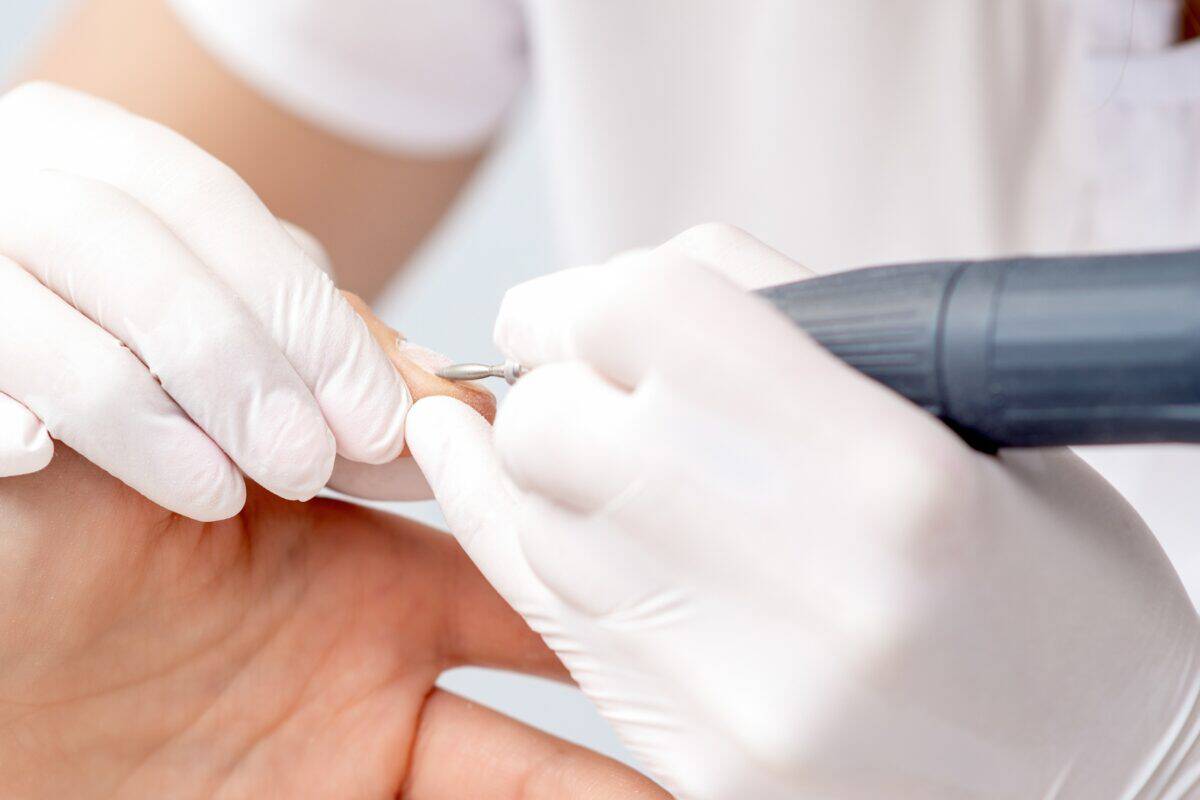
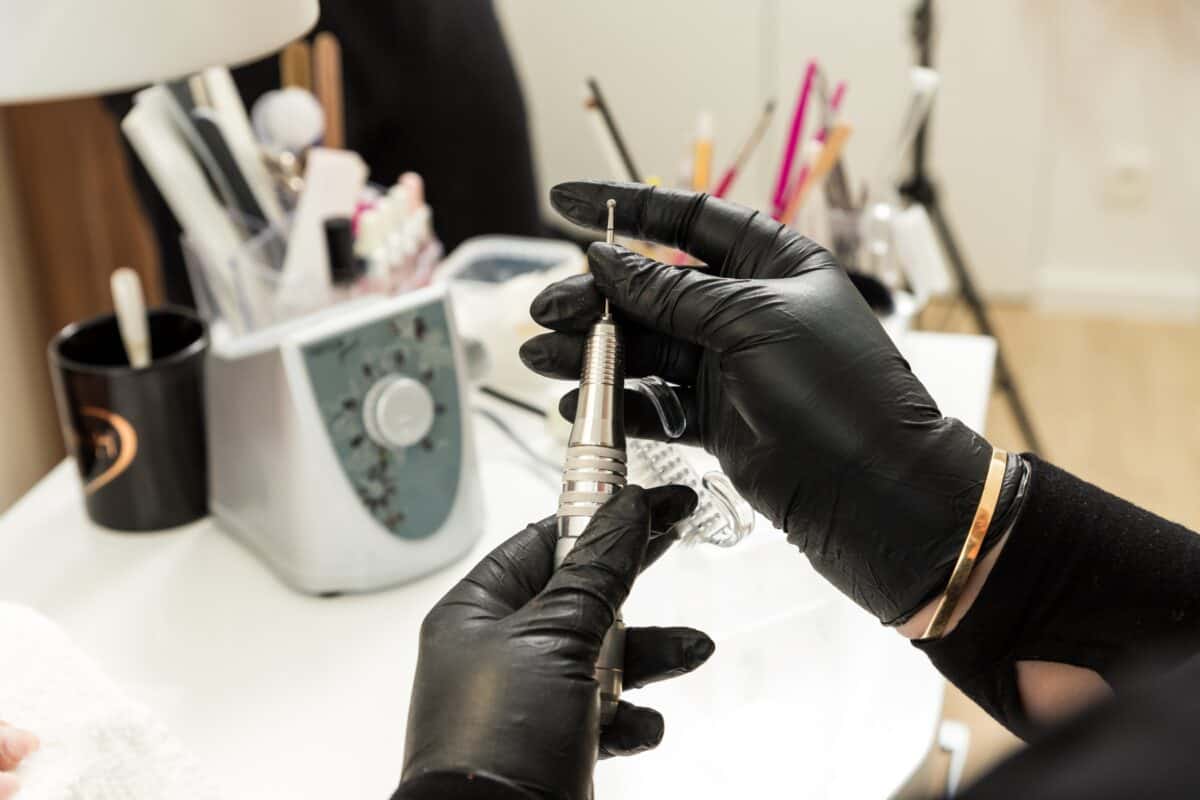
Depending on the equipment and technique being used, an E-file’s rotational direction needs to correspond with the nail technician’s working hand and movement.
This is not something I would encourage students to guess. They should be taught exactly how their specific machine works and why a particular setting is being used.
Moving the client’s hand
When beginners struggle with a technique, they often try to solve the problem by moving their own wrist. Sometimes, that is the wrong place to make the adjustment.
It can be much easier to reposition the client’s hand. A small rotation of a finger or a slightly different angle can completely change the nail technician’s view.
This is especially important for left-handed professionals, because the standard position demonstrated by a right-handed educator may place the working area at an awkward angle.
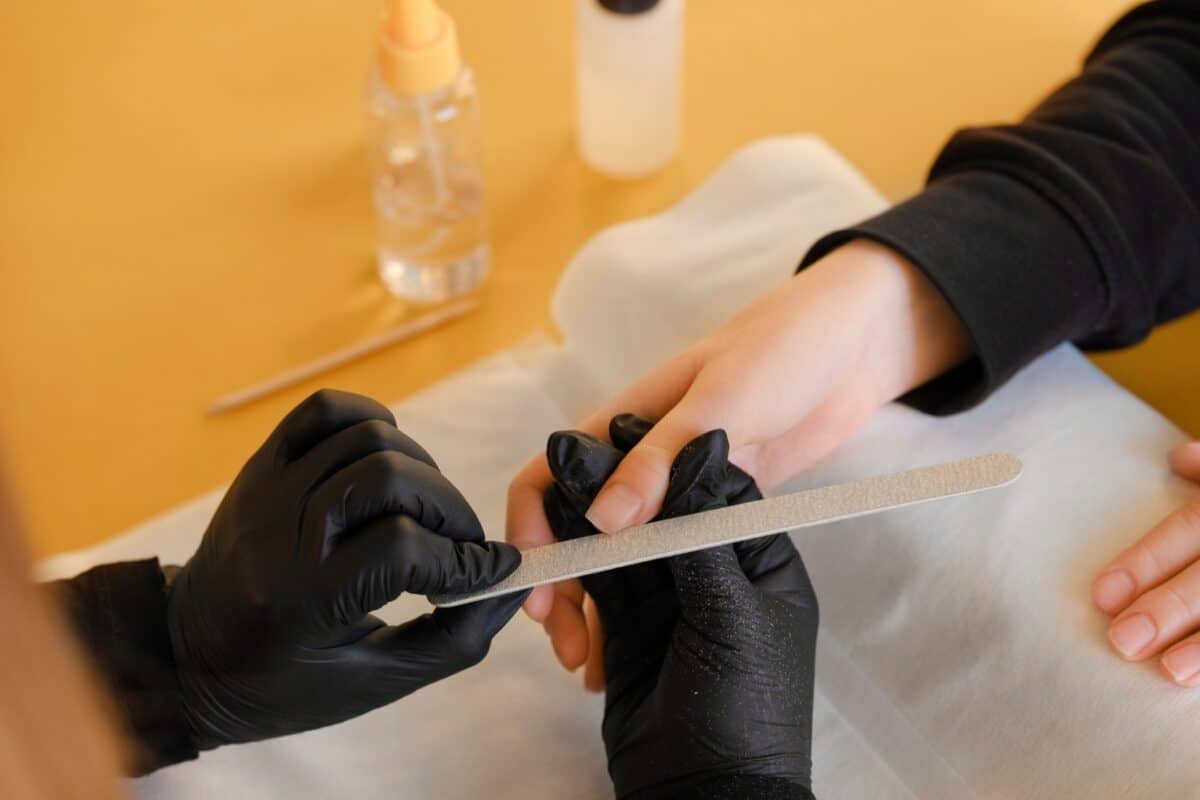
I often think of the client’s hand as part of the technique. It should not remain fixed while the technician twists around it. Rather, move the hand when necessary, create the view you need, then bring the tool to the area from a stable position.
Do not block your view
Visibility is one of the biggest practical challenges for left-handed nail technicians, as they often hold an E-file handpiece in a way that places it directly between the eyes and the area being worked on. The natural reaction is to lean to one side or lower the head. While this may work for a few minutes, it is not a good long-term solution.
Instead, I encourage students to experiment with the position of the client’s finger and the angle from which they approach the nail. The aim is simple: the technician should be able to see the contact point clearly.
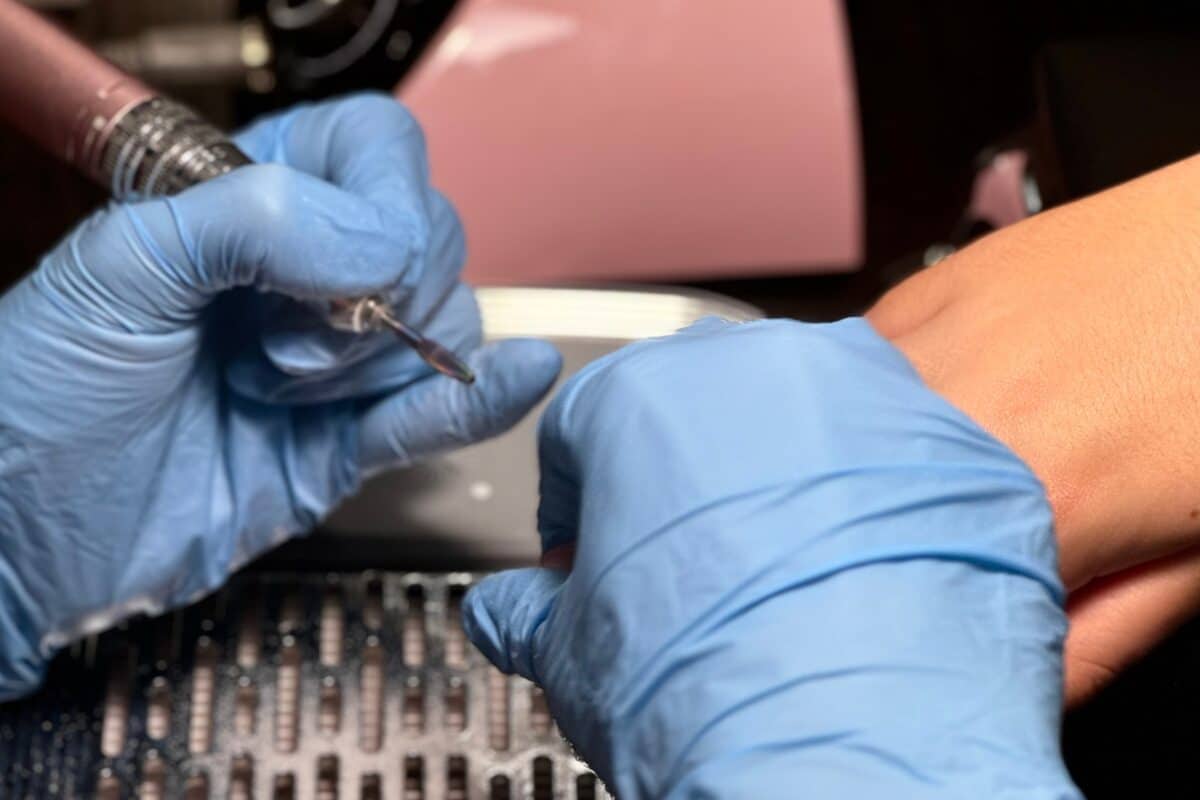
If they cannot see where the bit is working, it becomes harder to control the technique. Good visibility is not only about comfort; it is part of safe work.
Grip: control over force
Another common issue is grip. When a student is nervous, especially when using an E-file, they may hold the handpiece too tightly. Left-handed nail students sometimes do this even more, because they are trying to imitate a grip demonstrated with the opposite hand.
Not only does a tense grip reduce sensitivity, but it makes small controlled movements more difficult and can create unnecessary strain in the fingers, wrist and forearm.
The handpiece should feel secure, but the hand should not be fighting it. This takes practice.
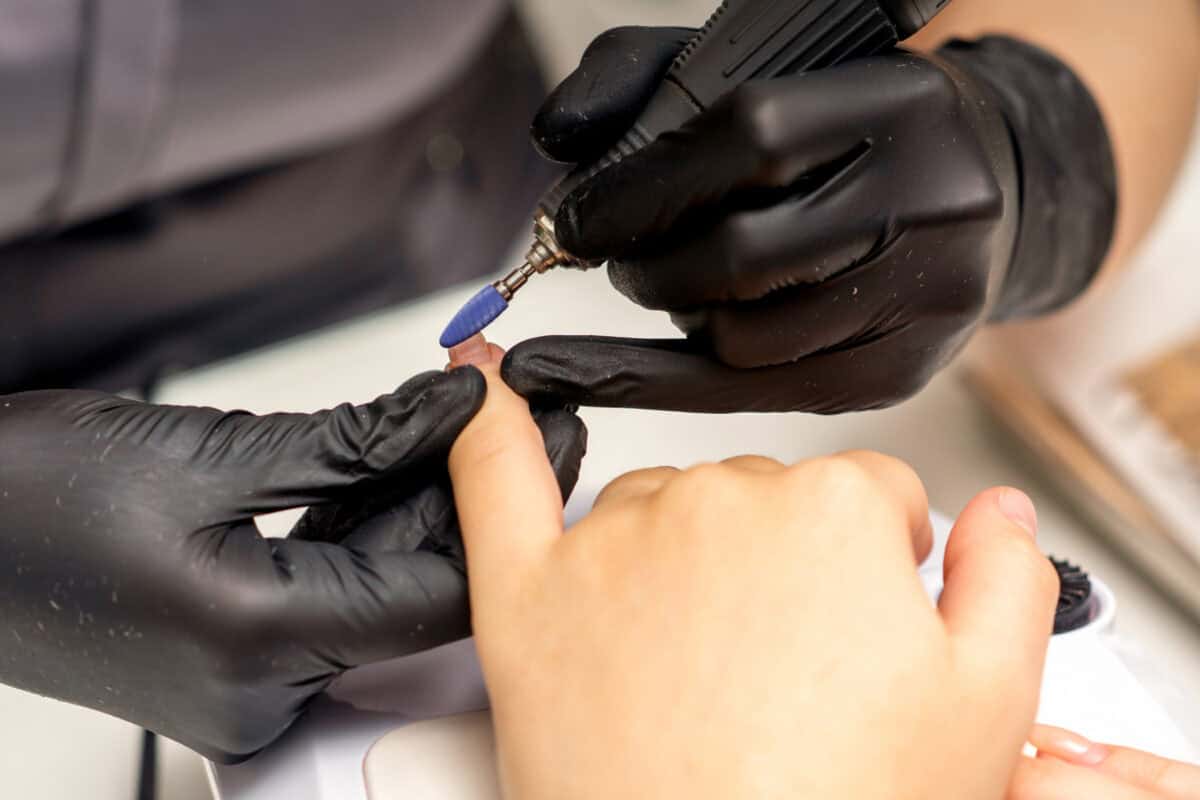
I often tell students that control does not come from squeezing harder; it comes from stability, positioning and understanding the movement.
Finding the right tools
Some professional nail tools are almost completely neutral when it comes to handedness. Others are not.
Scissors are a good example. The position of the blades and handles can make certain designs much more comfortable for a right-handed user. A left-handed nail technician may still be able to use them, but it can require extra pressure or an awkward angle.
Where possible, it is worth opting for tools designed for left-handed use, rather than assuming every tool must be adapted through technique.
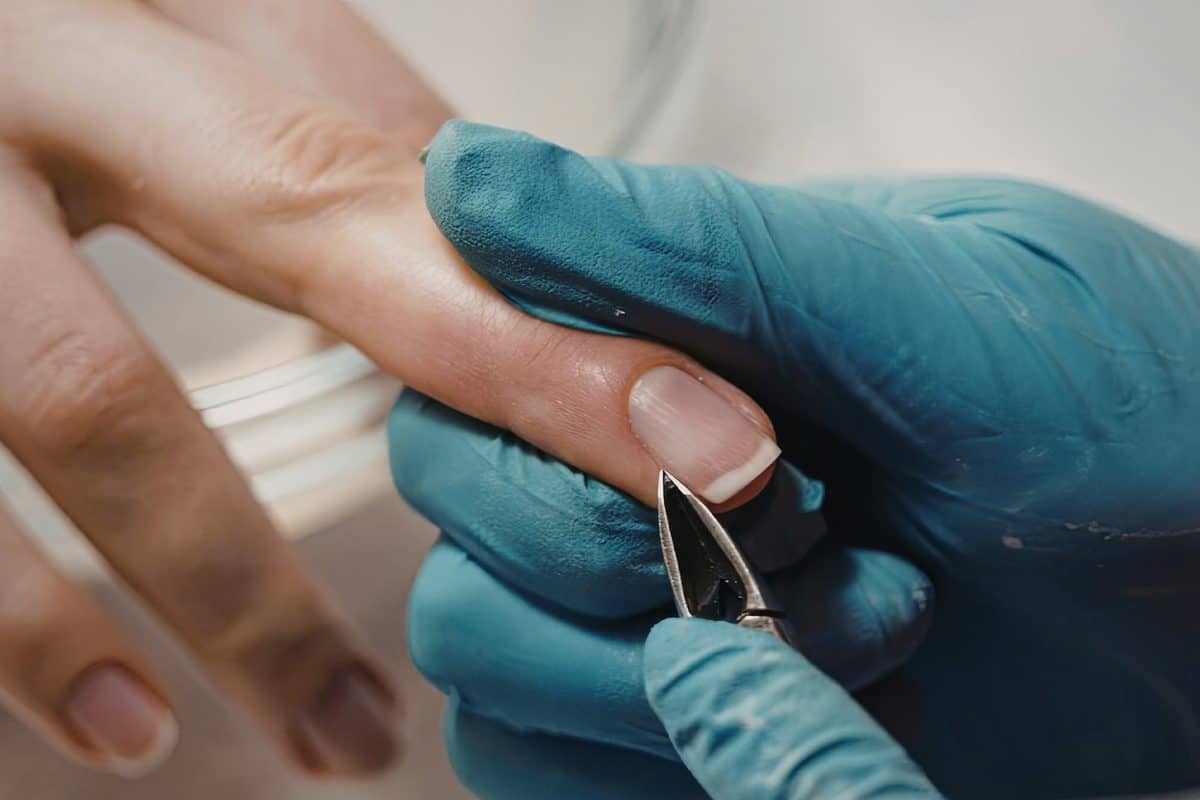
Asking the following questions can help determine if a tool will work for a left-handed nail professional: How easy is it to see the working edge? Does the handle sit naturally in the hand? Can the technician open and close the tool without changing wrist position?
There is no professional benefit in struggling with a tool, simply because it is the one everyone else uses.
E-file workstation setup
The position of an E-file machine can affect the entire working process. If a left-handed nail technician has the unit placed on the far right side of the desk, the cable may repeatedly cross the working area, and the pro may have to reach across the desk every time they adjust a setting.
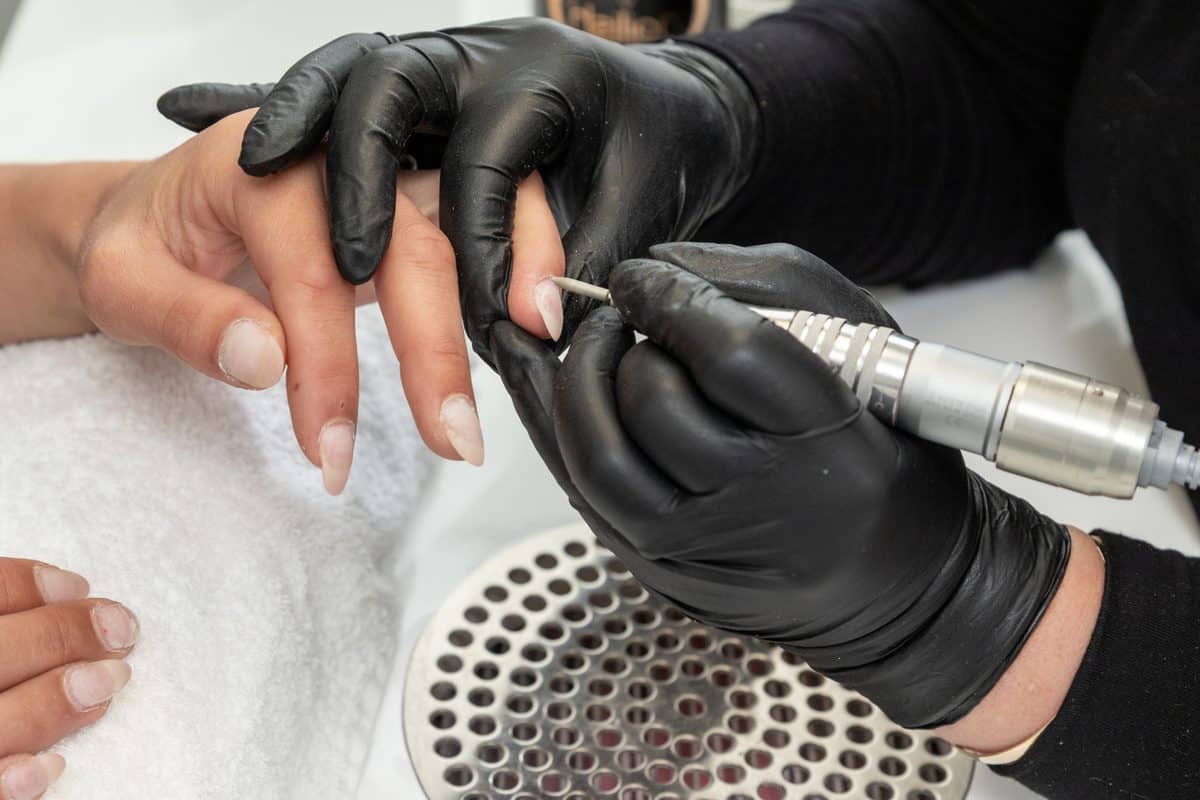
For many left-handed technicians, placing the unit closer to the left side feels more natural. The same applies to frequently used tools. The important thing is not to create a perfect mirror image of a right-handed workstation; it is to create a layout where movements are simple and predictable.
Safety should never be adapted
There is one point I want to make very clear: adapting a technique does not mean changing the safety rules.

A left-handed nail technician can change position, approach an area differently or organise their workstation in another way, but the professional limits remain the same: pressure must still be controlled, tools must still be used correctly, the skin and nail plate must still be respected and the technician must still understand their equipment.
Left-handed adaptation should never become an excuse for unsafe technique. In fact, the purpose of adaptation is the opposite: to help the professional work safely without forcing the body into an awkward position.
Follow Anna on Instagram, and read her piece on the challenges of being a left-handed nail tech here.