
How to create a supportive nail space for employees & clients with ADHD
By Scratch Staff | 16 October 2025 | Expert Advice, Feature, Health & Wellbeing
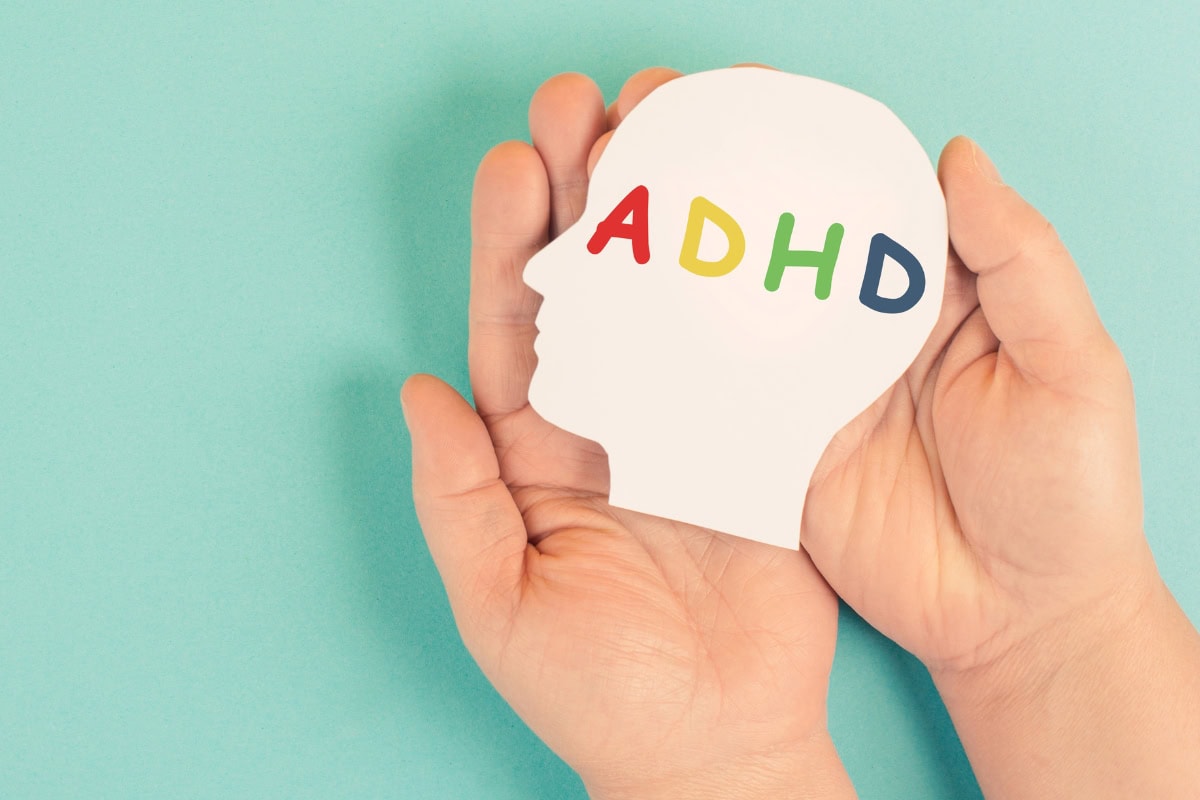
ADHD is estimated to affect 3 to 4% of adults and is one of the most common neurodevelopmental disorders in the UK.
For people with ADHD, everyday tasks can be challenging and overwhelming.
Scratch talks to a tech and client about how it affects them in the nail space, and how employers and salons can be more inclusive to those with ADHD…
What are the symptoms?
The NHS states that the symptoms of ADHD can be categorised into two types: inattentiveness (difficulty concentrating and focusing) and hyperactivity/impulsiveness.
In adults, the NHS reports that common symptoms associated with ADHD include:
• A lack of attention to detail.
• Continually starting new tasks before finishing old ones.
• Poor organisational skills.
• Inability to focus or prioritise.
• Forgetfulness.
• Restlessness.
• Mood swings and irritability.
• Impatience.
Tech talk: Chantelle Parsons, Christchurch, New Zealand

“I was a quirky and creative child at school. When a friend was diagnosed with ADHD, she sat me down and suggested that I too may have the condition,” explains Chantelle.
“I was very confused, but when she read out the description of the condition, I booked an appointment with a doctor and was properly diagnosed – at the age of 30. The medication prescribed immediately helped with my work life, easing issues such as lack of motivation, anxiety, afternoon sleepiness, overthinking and being distracted.
“Before the medication, I would sit with clients and battle to start a conversation in quiet moments. I had so many thoughts circling, but my mind would wander off to the jobs that I needed to get done.
“On reflection of my previous jobs, I believe that knowing I had ADHD could have helped me, as could employers understanding the condition.
“If employers take the time to read up on ADHD, it will benefit them in the long run. People with ADHD are creative, they think outside the box, and they hyperfocus and concentrate on things for hours on end.
“People with ADHD may perceive something said as a rejection of their character and take it very personally. If you have something to discuss with an employee with ADHD, it is best to have a private meeting and give compliments, as well as discuss areas for progress.
“There are mundane tasks that need to be done in nail salons, but an unmedicated ADHD worker won’t want to do them. An employer would be wise to add a healthy amount of pressure, or consider a reward system. ADHD sufferers may sometimes appear lazy, but it isn’t the case, and that’s when feelings of anxiousness and rejection may appear.”
Client chat: Megan Allaway, Tunbridge Wells, UK
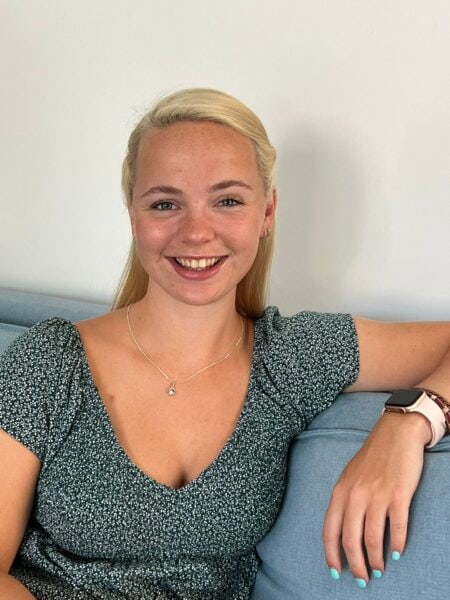
Megan was diagnosed with ADHD at the age of 21. She decided to get assessed after recognising similar signs in people with ADHD that she followed on TikTok. She finds nail salon visits challenging.
“I can sit still, but my mind is hyperactive,” she says. “My ADHD makes my head buzz and when I was diagnosed, it was described to me as the secretary that organises my brain being absent. The secretary’s role in a neurotypical brain is to organise and prioritise, so that the non-important information is saved for later and the brain can focus on one thing. I don’t have this, so all thoughts run through my mind at the same time.
“ADHD causes me to be distracted and not complete tasks, such as choosing a design for my nails. I also find making decisions and overthinking challenging, and have time blindness, meaning that I can lose track of time and find arriving for a nail appointment stressful.
“I don’t like making phone calls, so prefer to book online. To prevent feelings of overwhelm, I need to know in advance exactly what I want in terms of shape, colour and design. I worry about questions that might catch me off-guard.
“What is a simple three-step task for a neurotypical person: leaving the house, travelling to the salon and getting your nails done, is a more difficult, multi-step task for me, requiring hours of preparation.
“It would be beneficial for nail techs to be aware of how clients can struggle with sensory issues. I often have sensory overload from bright and flashing lights. Others with ADHD can be overwhelmed by noise and the smell of products. I am unable to touch certain materials, and it is difficult for me to say to others when I am in discomfort and explain the cause.”
October is ADHD Awareness Month. Click here to find out more.

Read the latest issue