


Gel polish: No, it’s not bad for you – as long as these 3 rules are followed
By Scratch Staff | 24 August 2026 | Business & Education

Nail techs are reporting an increase in client concerns about the safety of gel polish. Here’s everything you need to know to alleviate anxiety…
1. Learn the facts about TPO
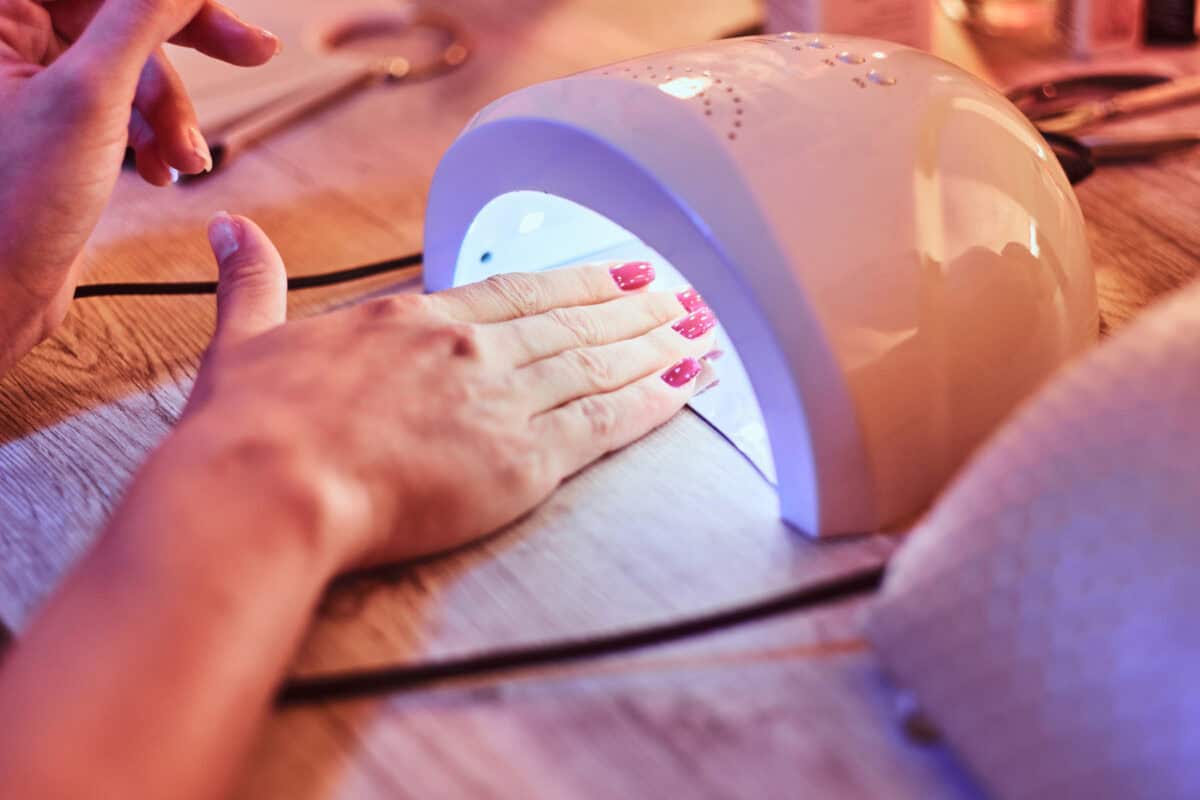
Growing concern surrounding gel manicures and pedicures has largely come from the EU’s 1 September 2025 ban of TPO: an ingredient found in gel nail products, and its subsequent 15 August 2026 ban in Great Britain. As Scratch has reported, Trimethylbenzoyl Diphenylphosphine Oxide (TPO) is a photo initiator that helps gel products to cure quickly under UV light.
The bans came following scientific testing of large quantities of TPO, which linked the ingredient to long-term fertility impairment in animals. It is important to note that the quantity that the test subjects were exposed to was far higher than what is used within gel polish products, and the ingredient has not been tested on humans.
“The reason why TPO has been banned in cosmetic products is based on its hazardous properties, meaning how a substance might behave under a ‘worst-case’ situation, when our bodies are exposed to a very large amount,” says Caroline Rainsford, director of science at the Cosmetic, Toiletry and Perfumery Association (CTPA). “This is not how TPO is used in cosmetics.
“The amount used in nail products is over a thousand times less than the amount which could have any negative effect on fertility. Plus, these products are applied to the nail, so the potential for the ingredient to be absorbed into our bodies is even smaller.”
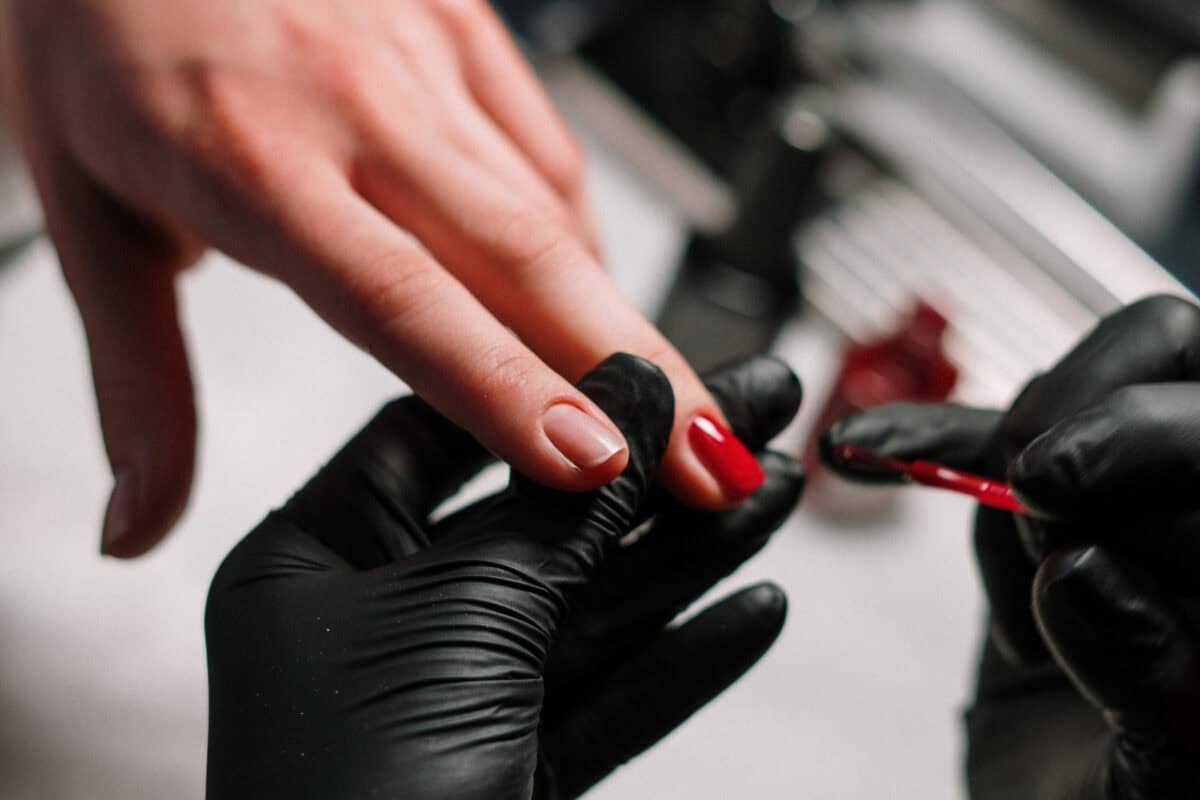
To clear up the widely asked question: are gel manicures and pedicures banned in the EU and Great Britain? No, gel services themselves have not been banned – only products containing TPO. However, TPO-free gel products are available from many reputable nail brands.
2. Check the quality of gel products
In today’s saturated nail market, quality is a complex issue that requires unpacking. From ingredients and in-house support to labelling and law, it’s important to understand what to look for in a gel nail product to ensure its compliancy and that it is safe to use.
“A high-quality product is one that performs as expected without causing additional, unanticipated consequences,” comments Jim McConnell, co-owner & head chemist at Light Elegance. “A high-quality product will stay on nails with reasonable expectations and certainty, and not negatively impact the natural nail.”

Are you enjoying this content?
Join our community to receive more like this
The UK Cosmetics Regulation is a detailed law with the primary purpose of ensuring products are safe. “Products that do not meet its requirements will not have undergone strict processes to ensure their safety and effectiveness,” shares Caroline Rainsford. “The law also contains requirements for labelling, notifying the UK authorities about products, good manufacturing practice (GMP), and it protects consumers from misleading claims.”
“Common signs of a low-quality product are poor performance, such as short wear, an unusual and challenging consistency, patchy pigment and overpowering odour, as well as incomplete labelling and vague product claims,” explains Ifra Siddique, product & scientific director at The GelBottle Inc. “A high-quality product will be safe – and while safety starts in the lab, it also means education to ensure pros know how to use products as intended.”
Jim McConnell adds a note for nail techs: “If a brand does not offer education or technical support for its products, I would avoid it completely. Also look at pricing: if you can order nail products for an extremely low cost, this is a negative sign.”
3. Ensure proper application and removal
Gel manicures and pedicures are not inherently bad or harmful to humans – as long as the products used are of great quality and the nail professional is educated in safe application and removal practices. Improper use of gel products can carry risks, and incorrect application can lead to overexposure: increasing the likelihood of an allergic reaction.
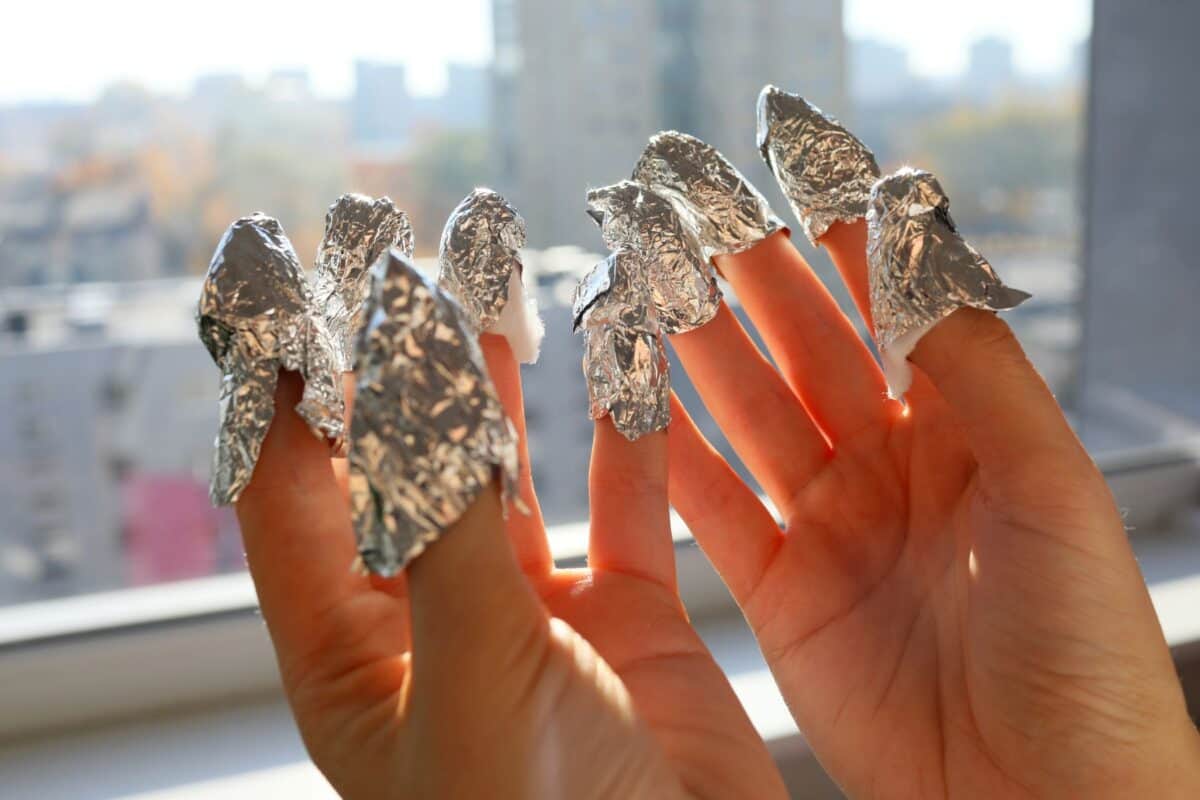
Meanwhile, harsh removal methods can damage the natural nail, so it is highly recommended that gel products are applied and removed by adequately trained nail professionals. Scratch’s article on the removal of gel polish overlays contains useful information and advice to ensure safety.
Though a lot of messaging online seems to suggest that gel nail treatments are not only bad for you, but are banned in the EU and Great Britain, it is important to sift through the scaremongering. Gel nail services are not banned – but it’s important to recognise the facts.