



Bruised toenails: why do they happen & how can they be treated?
By Jess Watts | 03 June 2026 | Health & Wellbeing
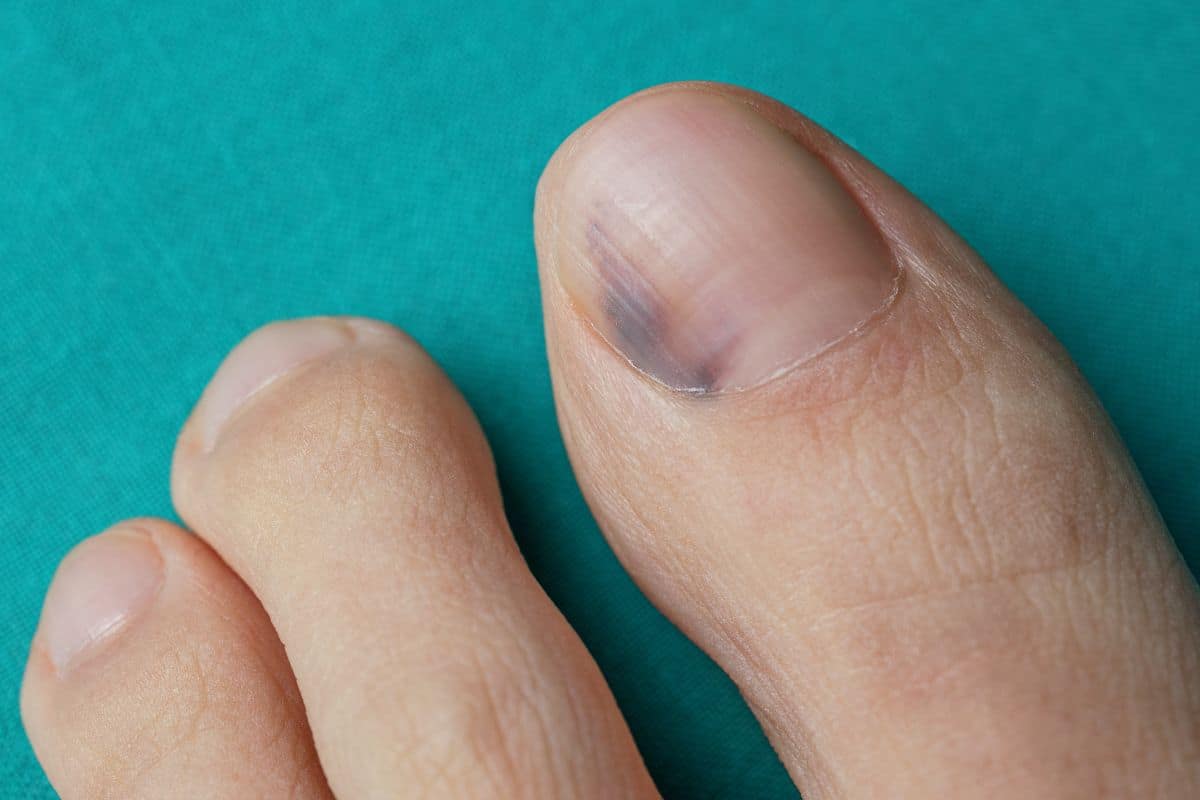
You’ve noticed a dark, discoloured patch beneath your toenail and have no idea what to do. Before you enter panic mode, let’s find out what bruised toenails actually are, why they happen and how they can be treated.
Why do bruised toenails happen?
A bruised toenail – known medically as a subungual haematoma, occurs when a blood vessel bursts beneath the nail as a result of significant impact, repeated friction or prolonged pressure.
In many cases, the cause is a specific incident: stubbing your toe or dropping something heavy on it. These moments can be painful immediately, and may also have lasting effects on nail health.

That said, bruised toenails can also develop gradually and go unnoticed until visible discolouration appears. For those who run, hike or are active regularly, repeated trauma from footwear or the physical demands of high-impact movement can take a quiet toll – so much so that the condition has earned its own nickname: runner’s toe.
Symptoms
Beyond the obvious discolouration – which can present as red, blue, purple or black – bruised toenails may also cause:
- A feeling of pressure that intensifies into pain as the bruise develops.
- Tenderness around the nail.
- A gradual shift in colouration – from red to purple, dark brown and eventually black.
- Lifting of the nail plate from the nail bed, which may lead to the nail falling off.

Losing a nail understandably concerns many people, though nail education platform, NailKnowledge, offers some reassurance: “If a trauma happens over the matrix which is under the base of the nail, it can result in the new nail that is forming there becoming detached, which will eventually grow and be lost as the new, undamaged nail pushes it off.”
It’s worth noting that not all bruised toenails fall off: many remain intact, with the discolouration fading naturally as the nail grows out.

Are you enjoying this content?
Join our community to receive more like this
What are the treatment options?
“For minor cases of subungual hematoma, home remedies and self-care can often promote healing,” says nail educator, Tracy Anne Shelverton. Methods include ‘elevating the affected finger/toe to reduce swelling, applying ice packs to alleviate pain and avoiding activities that may worsen the injury’.
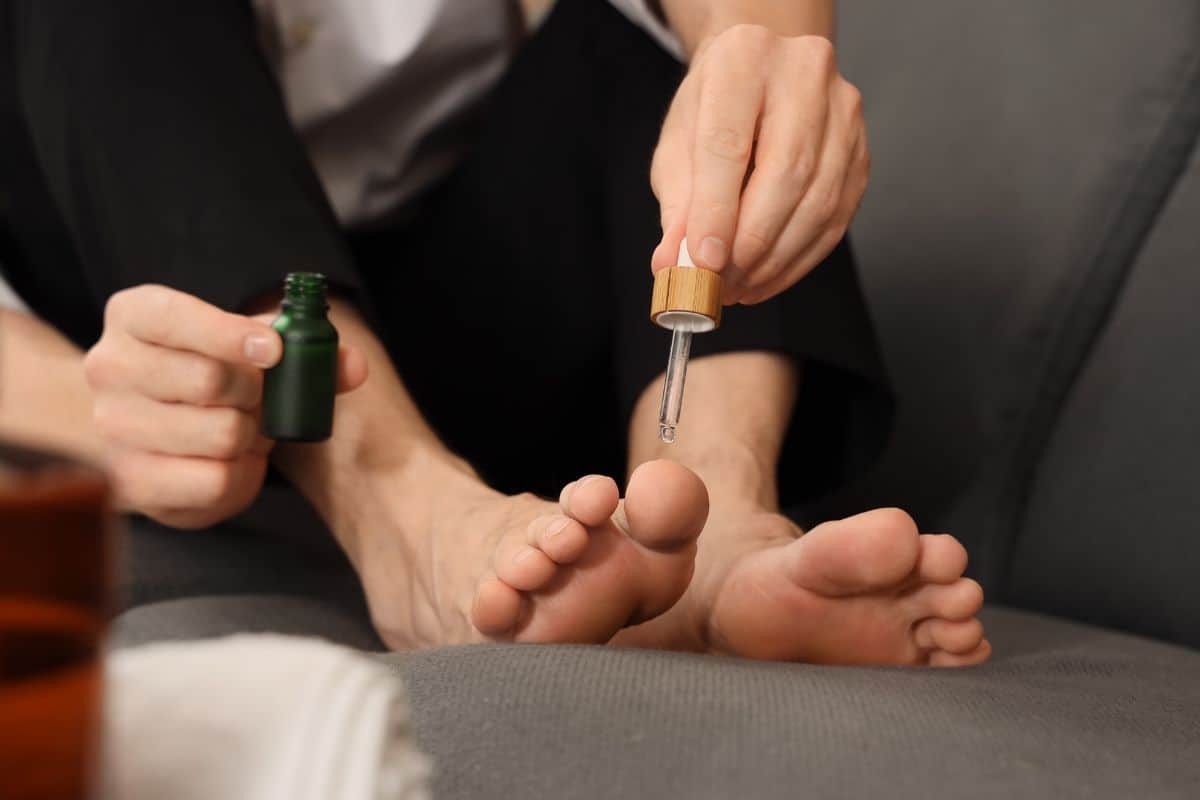
Tracy adds: “It’s crucial to refrain from attempting to drain the blood from under the nail at home, as this can lead to infection and further complications.” She advises keeping the nail clean and flexible with soap, water and a good quality cuticle oil.
“Black or bruised nails do not require treatment unless they are painful,” confirms experienced footcare specialist, Brenda Griffin. “If they are, a podiatrist may relieve the pressure of the haematoma build-up by drilling into the nail.”
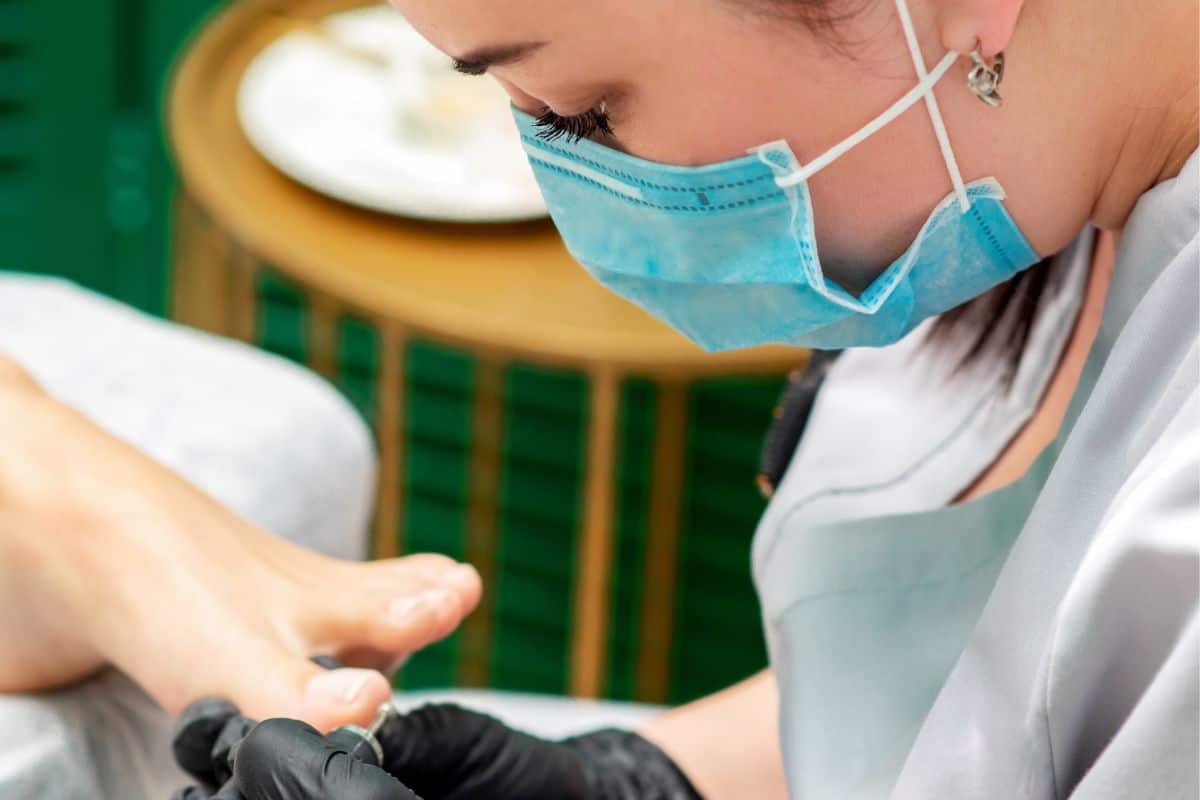
Scratch columnist, advanced footcare practitioner & owner of The Sangha House, Denise Spragg, adds that nail techs should ‘be cautious when working on traumatised nails and refer to a specialist if there is persistent discolouration, pain or signs of infection’.
If you have any concerns, it is essential to reach out to a qualified healthcare practitioner for assessment and guidance. Tracy Anne Shelverton states: “If the injury is accompanied by severe pain, excessive bleeding, signs of infection or if there is uncertainty about the extent of the damage, it is best to consult a healthcare professional promptly.”
How can bruised toenails be prevented?
Preventing bruised toenails comes down to a few simple habits:
- Trim nails regularly. Nails that extend beyond the tip of the toe are far more vulnerable to impact. Keep them short to reduce the risk.
- Choose footwear that fits well. A professional sizing appointment is worth considering if you’re unsure. Bear in mind that feet naturally swell during exercise, so your everyday shoes may not be the best choice for physical activity.
- Wear moisture-wicking socks. Excess moisture creates friction inside the shoe, and repeated friction is one of the most common causes of nail trauma.