



A guide to starting a home-based nail business
By Jess Watts | 25 June 2026 | Business & Education

Are you thinking of moving your nail business into your home or garden? Scratch explores points to note: from legal essentials to interior styling…
Opening a home nail salon is a lot like the perfect nail appointment: every stage matters, with each one contributing to a finish that lasts.
Just as a great nail technician starts with a consultation, building your business begins with asking the right questions. From there, it’s all about preparation and considering the essential legalities and technicalities that underpin a successful business. Then, you can move onto shaping your brand. Finally, as with a nail treatment, ongoing maintenance is required to keep standards high.
Do you want to build your dream salon in your home, or open a setup in your garden – but are unsure where to start? Let’s go through the process, step-by-step…
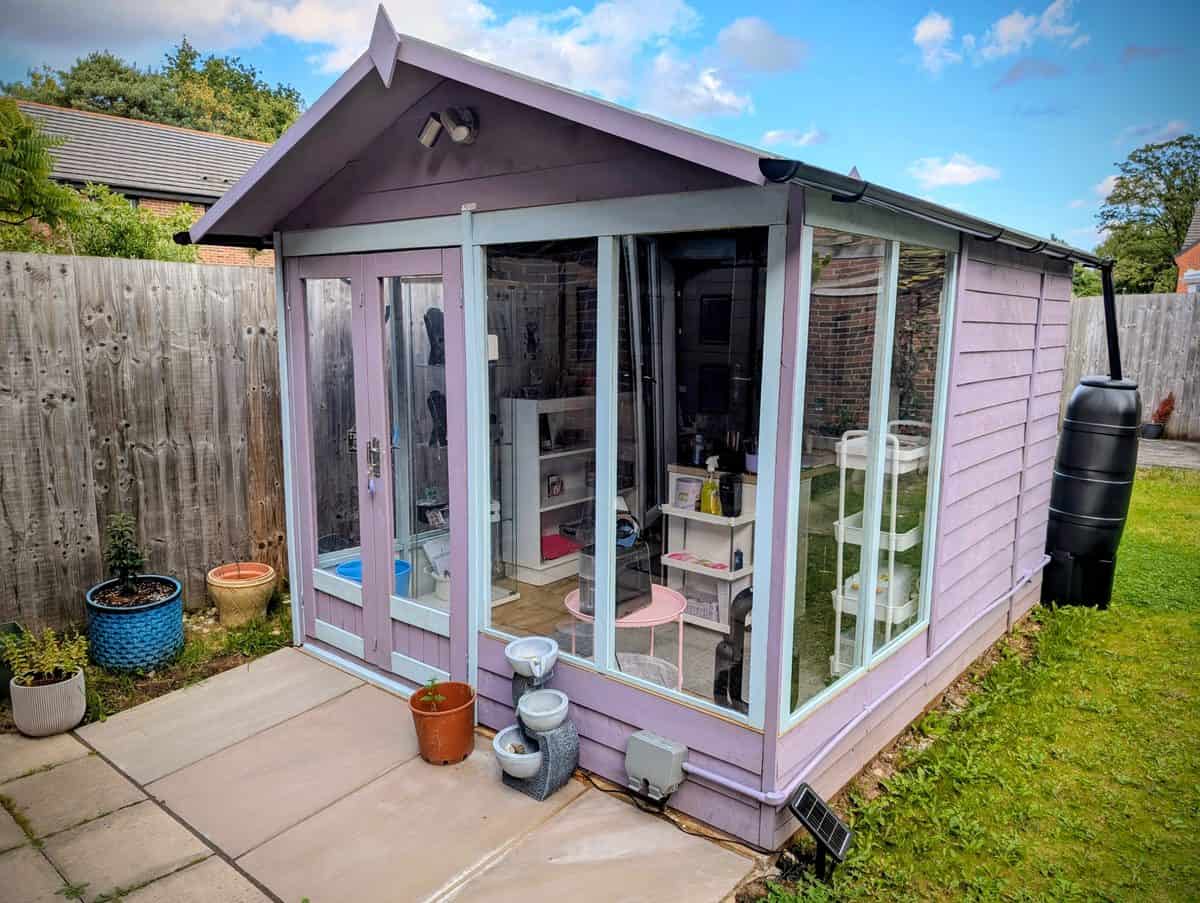
*Lead image shows Crowland home salon, Holistic Health & Beauty.
Getting started
A successful business begins with laying the groundwork, and there are many aspects an aspiring home salon owner needs to consider. Though these elements may not seem exciting, this stage is imperative to a strong business foundation.
Insurance
Legal elements are usually regarded as the most complicated, but asking for advice from other home salon owners can help.

“You cannot afford to overlook legal and insurance essentials,” says Katie Pritchard, Staffordshire home salon owner & Hara Professional brand ambassador. “As a minimum, you should have appropriate nail technician insurance that covers home-based work; permission from your home insurer and mortgage provider or landlord, and you should have checked any local council requirements or planning permissions.”

Vienna Marchant, owner of Somerset space, The Gel Studio, shares: “My studio is covered under home insurance in case of any damage, and I have public liability and salon insurance to cover me while carrying out treatments. It’s so important to protect yourself and your clients from day one.”

“When you do everything by the book, it can feel like a lot of effort,” says Hampshire home salon owner & VODEX brand ambassador, Nicolette Manesh. “However, knowing that your salon is up to code and protected makes running your business so much easier long-term.”
Finances
Knowing what to budget for can significantly reduce the financial strain of setting up a home salon.

As’ka Baran, owner of log cabin salon, Holistic Health & Beauty, notes: “When first setting up a home-based studio, you will need to budget for: the size of space you need, as prices will vary at different times of the year and often be cheaper during winter; an electric supply to be installed from the main feed of your house by a qualified electrician, and water supply setup, as most councils require this for hygiene purposes.”

“Aside from startup costs, you should have money saved to support you during the first 12 months at least,” says Marie-Louise Coster, session stylist, salon owner & Scratch online columnist. “It generally takes three years to see any profit, so make sure your business can fund itself.”
Surroundings
Accessibility and an understanding of your surroundings are vital when running a home-based business.
Vienna Marchant acknowledges that her home setup complements a garden studio. “Behind my garden there’s a public lane, which means clients can enter directly into the studio without stepping into my garden or family home,” she shares. “It works perfectly; my home stays private, and my clients have an easy entrance and exit.”

Georgia Steel, owner of Southampton home studio, Georgia Does Nails, says: “Speak with your neighbours and let them know your plans. They might be concerned by the increasing number of cars on the road, or people arriving at your house. If they are unhappy, you can work through concerns together, rather than them report you later down the line.”
Marie-Louise Coster adds: “Make sure you have at least a 15-minute gap between appointments to avoid a build-up of cars on your street. You do not want to annoy your neighbours.”

Are you enjoying this content?
Join our community to receive more like this
Building your business
Once you’ve wrapped your head around the legalities, it’s time to start the physical work. An existing outbuilding or spare room is the perfect place to start, but a blank canvas is equally full of potential.
“Create a dedicated, clearly defined workspace that feels separate from your living area,” says Katie Pritchard. “This could be a cabin or building in the garden, a spare room within your house or a converted garage. Don’t rush the setup: plan your layout carefully so it works for you long-term.”

“I know many successful nail techs who started in a spare bedroom, or like me in a dining room,” shares Michelle Brown, owner of Scratch Stars Home Nail Salon of the Year 2025 & finalist for 2026, Chell’s Beauty By the Sea. “You don’t have to carry out a huge renovation; your space just needs to be welcoming.”
As’ka Baran notes the importance of including enough electric outlets: “When I first set my cabin up 20 years ago, I only had four double sockets installed,” she reveals. “I am now doubling this and adding in USB ports, as a lot of my rechargeable equipment requires these.”
Décor directions
Now the fun begins! A home salon allows for endless creativity. Here’s how some home-based pros have customised their nail spaces…
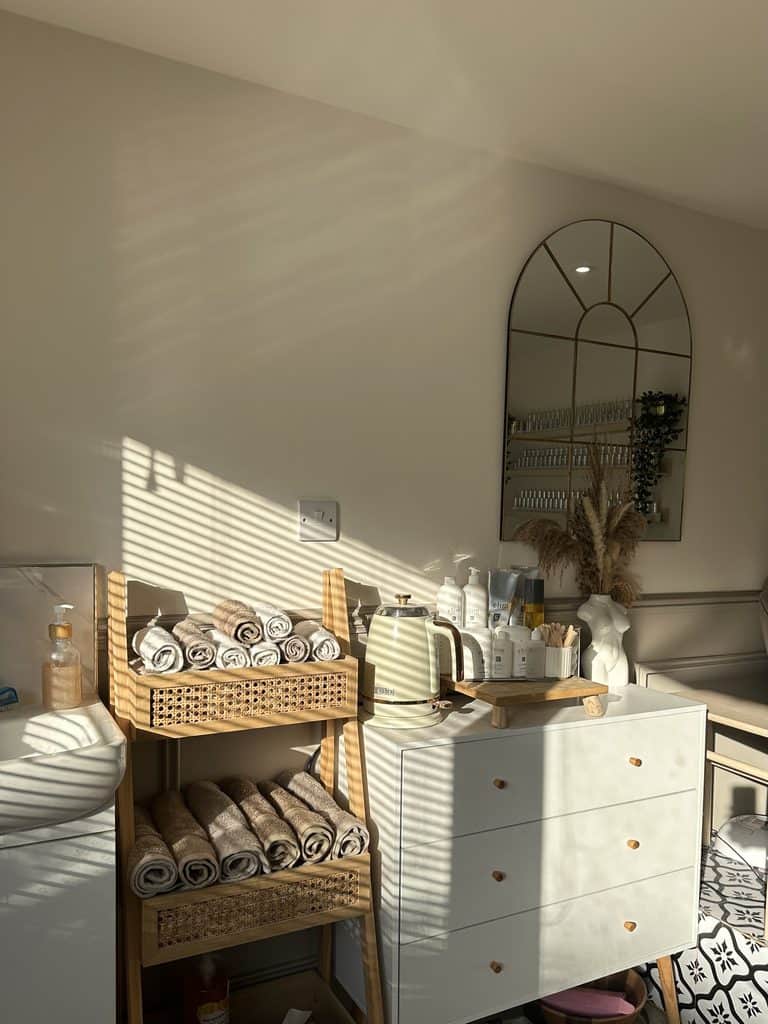
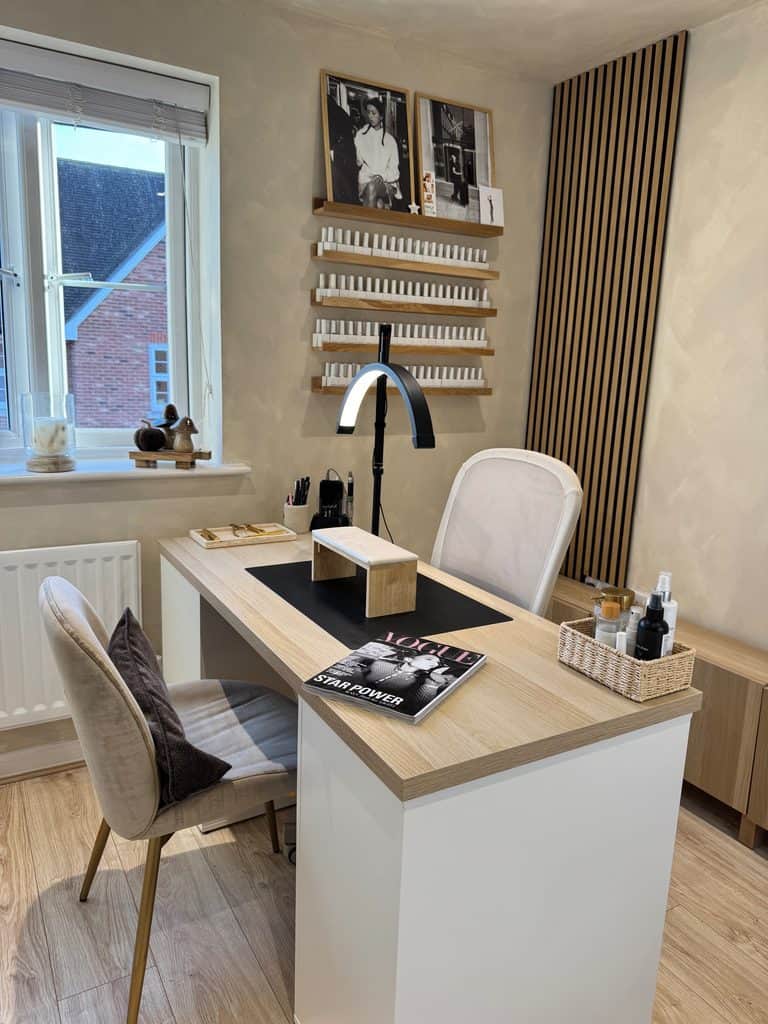
Vienna Marchant’s garden nail salon boasts a serene beige and cream interior, finished with faux plants. “Think wisely about your layout,” she advises. “Avoid placing your products near windows to protect them from sunlight, and keep messy areas out of view from clients.”
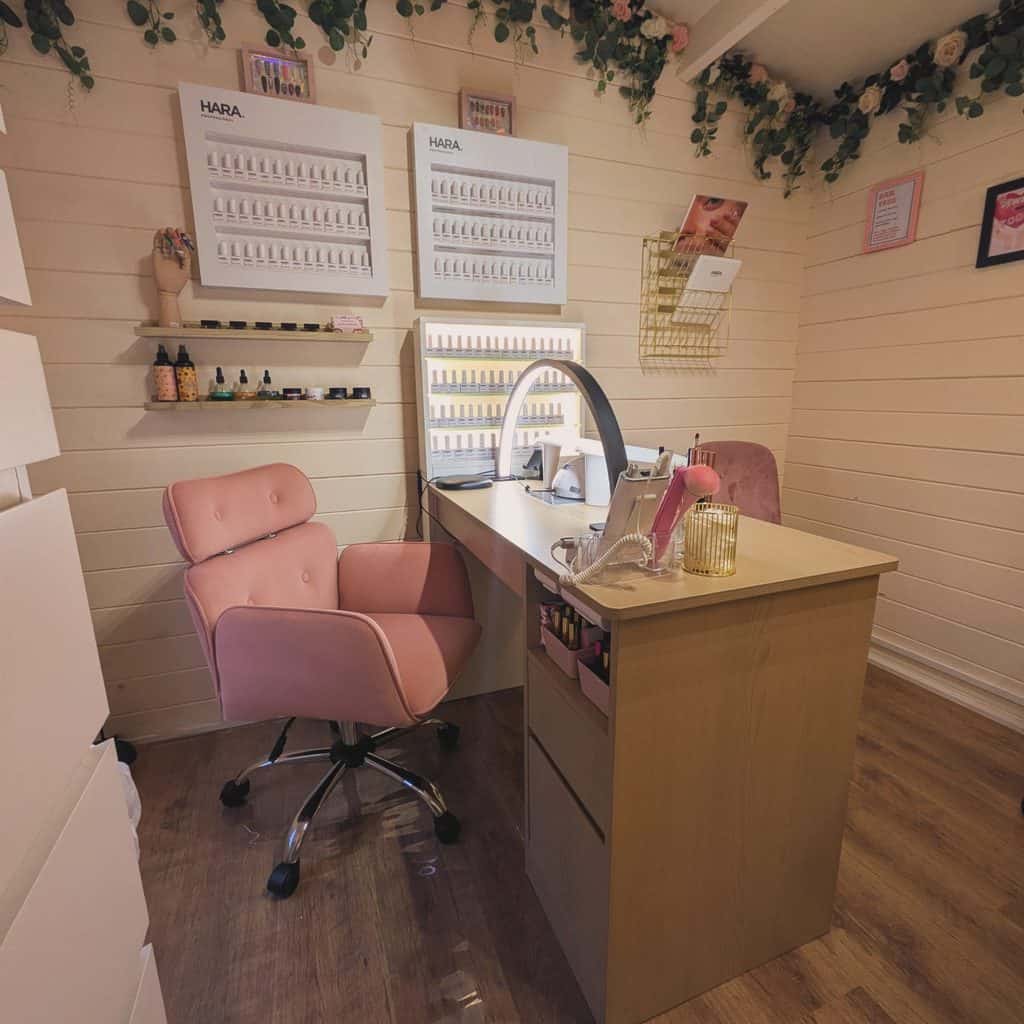
Clients can expect a relaxing experience at Katie Pritchard’s salon, as she shares: “The cabin has a cosy, chic feel. It’s worth investing in soft furnishings that create a ‘home from home’ vibe. Clients remember how you make them feel during appointments.”
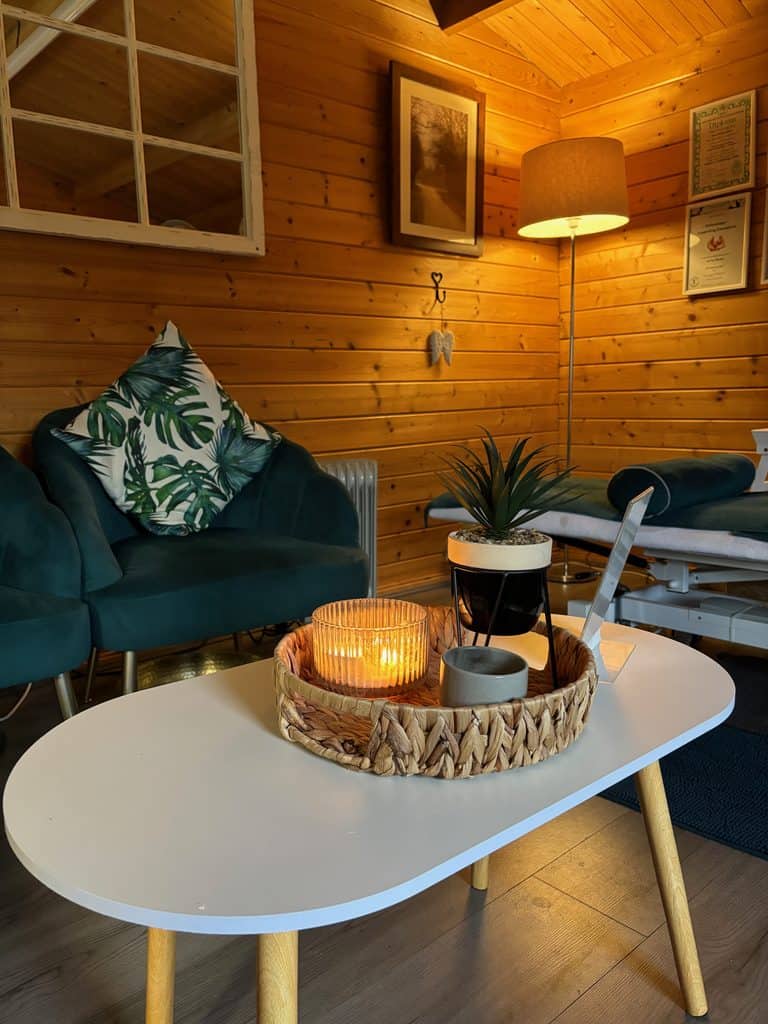
As’ka Baran’s log cabin pairs deep green furniture with wooden walls to create a nature-inspired, calming interior. Warm lighting and candles give the space a cosy atmosphere, while plants and trinkets add to the homely vibe.
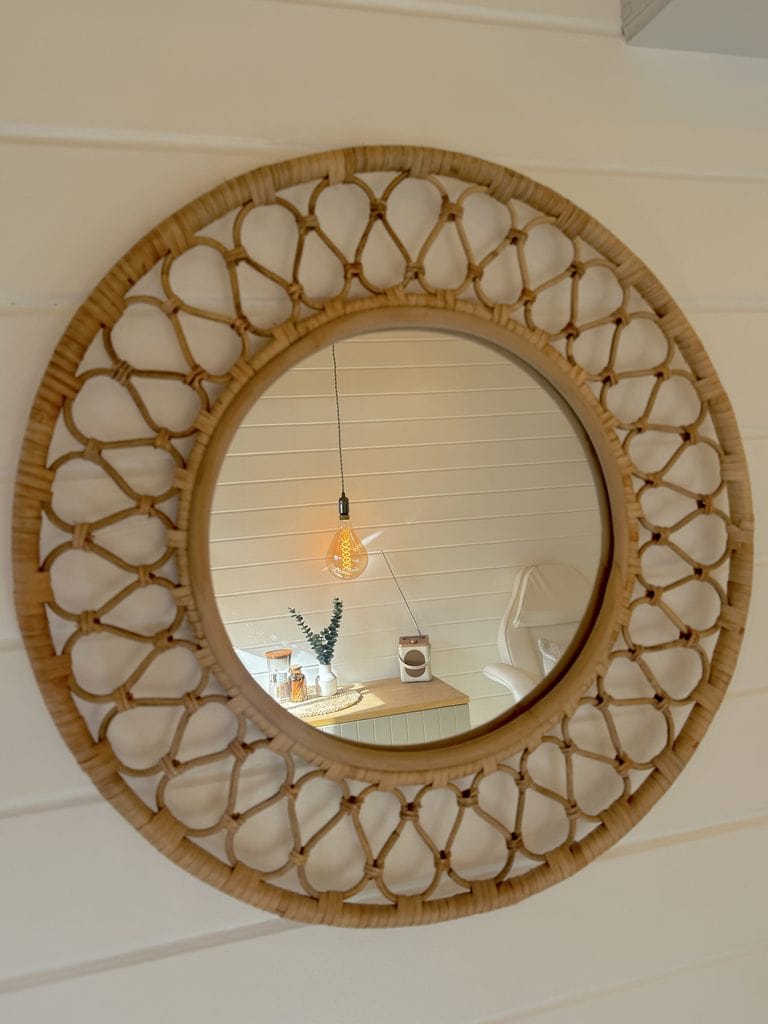
Georgia Steel’s home salon is a space of total calm. “I wanted my studio to have a warm feel, without being too neutral,” she comments. “I love bohemian styling, like a beach club in Ibiza, so included rattan furniture, natural fabrics, plants and mirrors, and kept the original wood on the ceiling.”
Filling your chair
Your nail space is finished – cushions fluffed, desk tidied and your chair is ready for your first client. But how do you actually fill it? The answer is marketing.

Joanna Tompkins, founder of business growth support community, Nail Tech Tribe & Scratch Stars Nail Business Mentor of the Year 2023, says: “Make sure people within the local community know that your business exists. It’s impossible to become fully booked if no one knows you’re there.”

Ria-Jaine Lincoln, founder of accountancy and tax support business, The Beauty Accountant, notes the importance of targeting the ‘right’ clients. “Nail techs should focus on posting locally, as opposed to going viral,” she shares. “Attracting 100 local clients is better for business than 1,000 followers from miles away.”
“Share client testimonials and experiences, your availability, problem-solving posts and collaborate with other local businesses to expose yours to a wider local audience,” adds Joanna Tompkins.
You can also ask clients to post their nails on social media and tag you. This attracts a wider audience, and potential future clients, while generating content you can reshare on your account. Just remember to credit the client for the image or video!
Top tips
Nicolette Manesh shares three tips for aspiring home salon owners:
- “Be patient. Everything worth having takes time. Don’t cut corners or avoid regulations.”
- “Ask for help. So many people have been through similar experiences. Reaching out for advice, recommendations or reassurance can make the journey less overwhelming.”
- “Enjoy the process. We’re always in a rush to reach the end goal, but there are many memorable moments along the way. Looking back at my own journey, those moments made the whole experience worthwhile.”