
Autumn Budget 2025: 8 measures that will impact nail & beauty pros
By Scratch Staff | 26 November 2025 | Business, Events, News

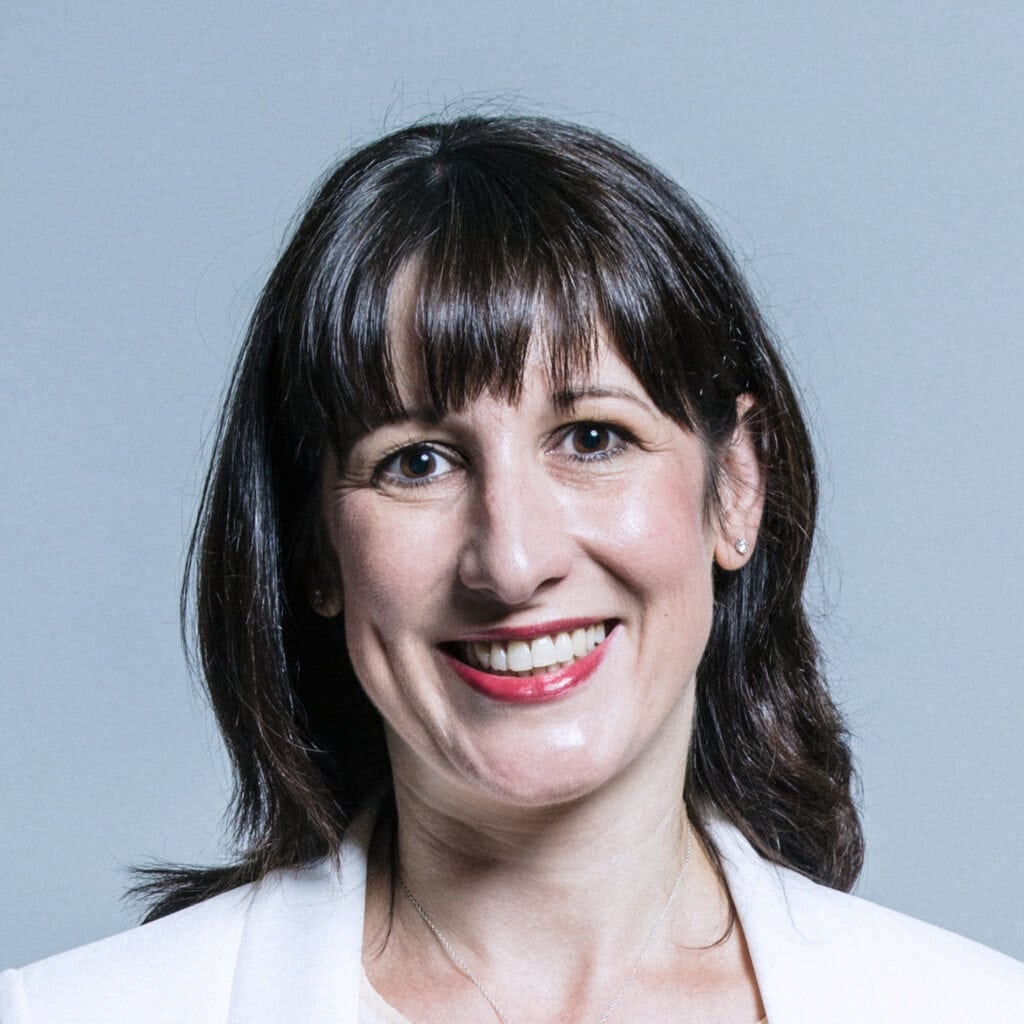
Chancellor of the Exchequer, Rachel Reeves, presented the Autumn Budget to parliament today (26 November), promising measures for a ‘fairer, stronger, more secure Britain’.
It followed Budget analysis by the Office for Budget Responsibility (OBR) being published prior to the Chancellor’s announcement in error.
Here is a summary of measures worth noting for employees and self-employed workers in the nail and beauty sector:
Income tax thresholds frozen
Rachel Reeves has extended personal tax and employer National Insurance contribution thresholds for three further years, beyond the previous 2028-2029 deadline.
Designed to raise £8 billion, freezing thresholds means that as wages increase, more people reach an income level to pay tax and National Insurance.
Training for under-25 apprenticeships to be free for SMEs
The Chancellor announced funding so that training for apprentices aged under 25 will become free for small and medium-sized businesses (SMEs).
She said: “I’m grateful to the Federation of Small Businesses and Small Business Britain for their representations on apprenticeships and today, I am announcing funding to make the training for under-25 apprenticeships completely free for small and medium-sized enterprises.”
Tax on dividends to increase
The tax on dividends – the portion of a company’s profit paid to its shareholders – is set to increase by 2% from April 2026. This means that businesses running as limited companies, and paying shareholders partly or mostly in dividends, will pay more tax.
Minimum wage increase
Announced ahead of the Budget, the minimum wage for workers aged over 21 will rise by 50p to £12.71 per hour in April 2026. For workers aged 18 to 20, this will increase by 85p to £10.85, and for 16 and 17-year olds and apprentices, minimum wage will rise by 45p to £8.

Tax on salary-sacrifice pensions
Contributions above £2,000 into salary-sacrificed pensions are set to be taxed, where they haven’t been before. Salary sacrifice schemes allow employees to exchange a portion of their earnings for an employer-provided benefit.
Contributions above £2,000 will be subject to National Insurance payments by employees and employers from April 2029.
Business rates cut for small companies
For retail, hospitality and leisure properties with a value under £500,000, the Chancellor announced plans to introduce permanently lower business rates (a tax on non-domestic properties) from April 2026 – ‘the lowest tax rates since 1991’.
While the Government classes nail and beauty businesses within the personal care services industry, some councils recognise individual businesses as retail.
Corporation tax rate retained
Reeves has not raised the rate of corporation tax – a tax that companies pay on their profit – declaring Britain’s corporation tax rate to be ‘the lowest in the G7’.
However, she has reduced the ‘writing down allowance’, which may lead to increased tax costs on capital investments, and could cause business upgrades and expansions to become more expensive once tax is factored in.
Electric vehicle tax & fuel duty frozen
A measure that will particularly affect mobile pros, a new pay-per-mile tax has been announced for electric and hybrid vehicles from April 2028. This charge will be 3p per mile for battery electric cars and 1.5p per mile for plug-in hybrid cars, and will increase annually in line with inflation.
Meanwhile, the Chancellor confirmed that fuel duty will be frozen until next September.
Industry reaction

Caroline Larissey, chief executive of the National Hair & Beauty Federation (NHBF), comments: “Today’s Budget delivers little for the small, people-focused businesses at the heart of every high street.
“Hair & beauty employers have always backed fair pay, but the Chancellor cannot keep loading costs onto small businesses without offering the support needed to keep them trading and providing opportunities in every community.
“If the Government truly wants to grow the economy, end low pay and keep high streets open, today’s wage announcement must be matched with serious support on National Insurance, business rates, skills and enforcement.”

“For small businesses continuing to navigate the current financial climate, the decision to freeze income tax thresholds until the end of 2030/31 offers some certainty for planning and forecasting,” adds Lesley Blair MBE, CEO & chair of the British Association of Beauty Therapy & Cosmetology (BABTAC).
“However, the freeze on National Insurance thresholds will effectively increase employer contributions as wages rise with inflation, adding further pressure on already tight margins.
“Several other measures announced in the Budget are likely to place additional strain on both employers and employees. The move to tax salary-sacrificed pension contributions removes a valuable incentive for staff savings and adds another cost consideration for employers.
“With the OBR forecasting inflation to rise higher than expected, beauty businesses may feel the squeeze on operating costs, while customers themselves face shrinking disposable income.
“The scheduled increase in minimum wage, although positive for workers, will significantly raise wage bills in a labour-intensive sector. Coupled with a 2% rise in tax on dividends, the cumulative impact could challenge the commercial viability of many small salons, potentially leading to price increases or reduced staffing.”

Read the latest issue