



Why do we get cracked heels & how can dry feet be treated?
By Jess Watts | 17 August 2026 | Business & Education, Health & Wellbeing
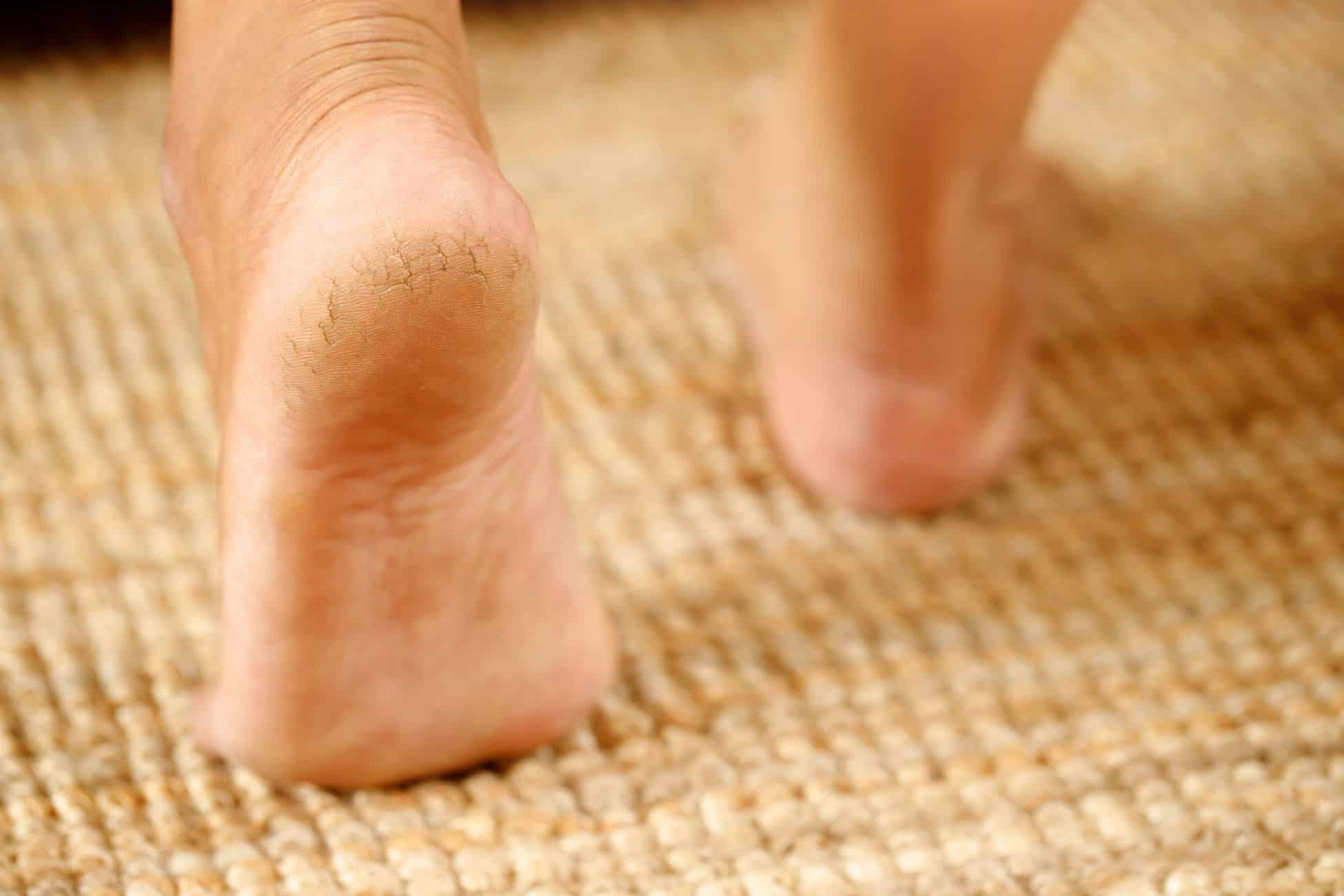
One of the most common foot conditions – and a source of discomfort and embarrassment for many, cracked heels are prevalent year-round.
Read on for maintenance tips and treatment tricks…
Research by footcare brand, Scholl, reveals that one in three people in the UK feel ashamed or embarrassed of their feet, with one of the most frequently cited issues being dry, hard and cracked skin. As this affects so many, it’s worth noting what actually causes this.
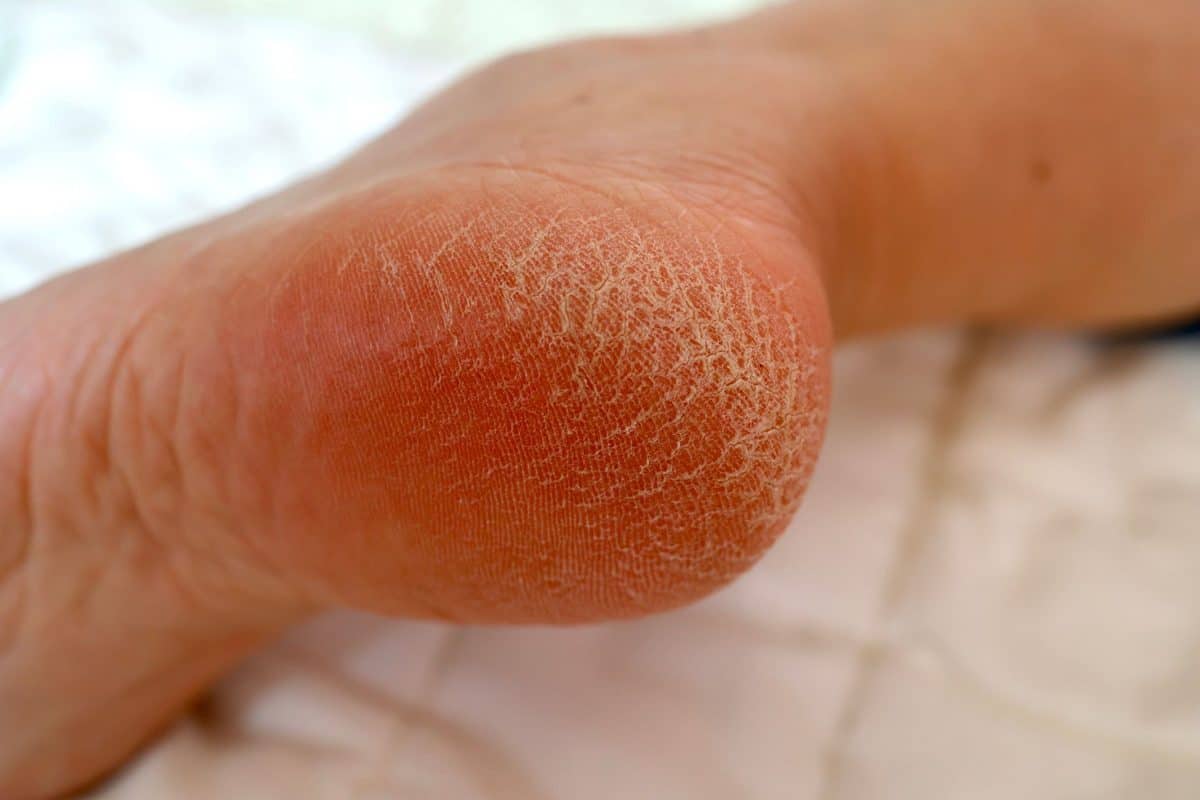
Skin specialist, beauty therapist & educator, Bryony Cocksedge, reveals five reasons people might develop dry skin on their feet:
1. Seasonal shifts

“In the summer, our feet are exposed and don’t have the protection of socks and shoes, so they tend to ‘dry out’ and commonly, superficial and deeps cracks start to appear,” Bryony explains.
“In the winter, we’re exposed to central heating which also dries skin out. Heat and humidity can really suck out the moisture from skin. I like to use mud as an analogy – waterlogged, muddy puddles turn to cracked, hard surfaces in the heat/sun, simply because they have no moisture and flexibility,” she shares.
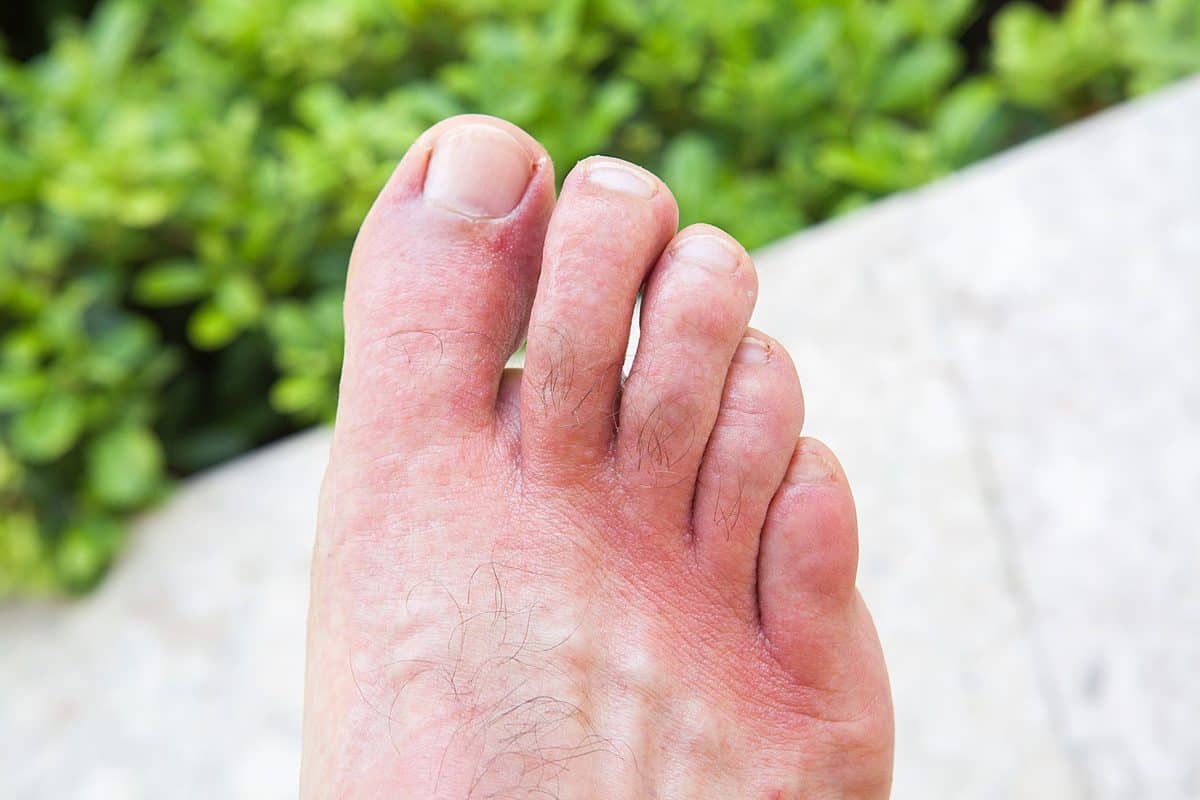
2. Health conditions
“Skin conditions such as eczema and psoriasis mean that patches of the skin are dry, flaky, itchy and often sore,” Bryony comments. “Left untreated, these patches can get worse and even start to open and weep (especially if they’ve been scratched!).”
3. Water use
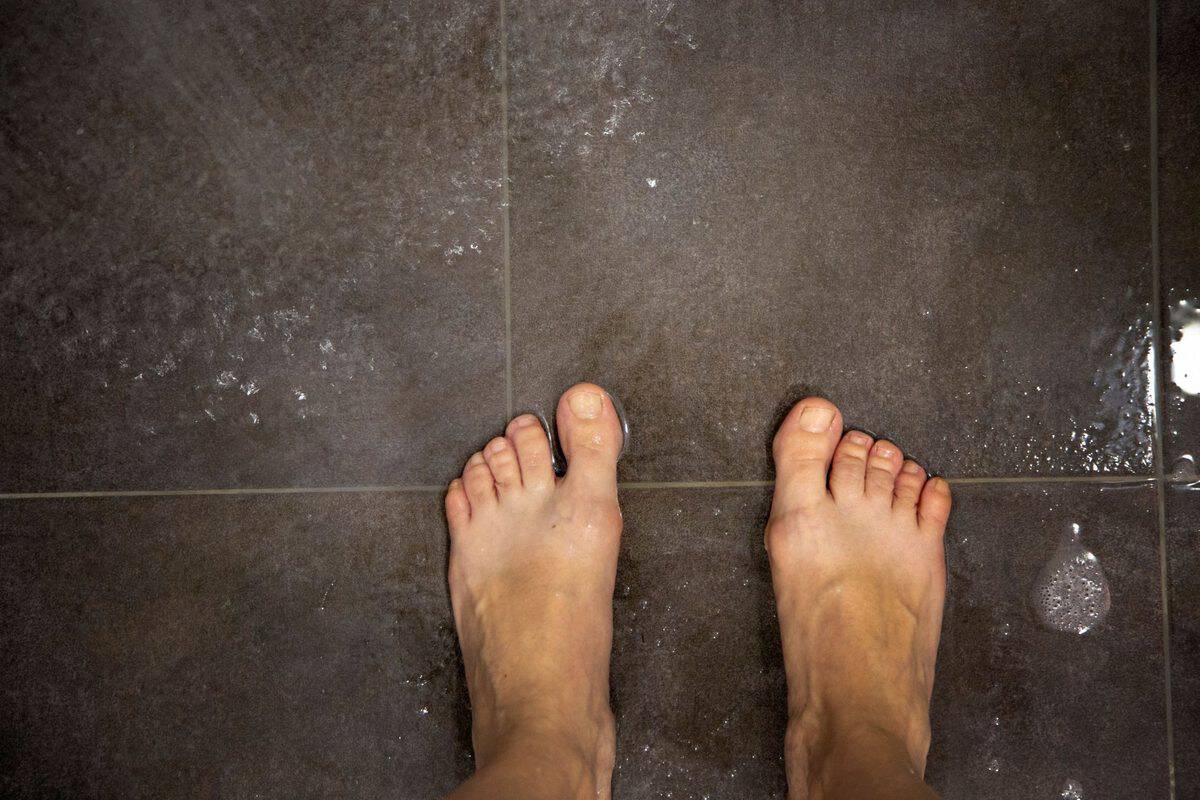
Hydration is an essential part of skincare and while drinking water is a fantastic way to internally give skin the hydration it needs, too much water externally on the skin can have a dehydrating effect.
“Spending a long time in the bath or shower can strip the skin of its natural oils, making it dry, tight and even itchy. Temperature also plays a part; water that is too hot saps moisture from the skin,” Bryony explains.
4. Ill-fitting footwear
We’ve all been in the position where taking off our shoes at the end of the day feels like a relief, however clear signs of incorrect footwear are pain, pressure and discoloured skin. Bryony says: “Wearing shoes that don’t provide adequate support, are the wrong size or don’t let feet breathe can trigger dryness and lead to a build-up of hard, dry, callused skin.”

Foot expert & podiatrist, Dr Bharti Rajput MBE, adds: “Dry, cracked heels are a common problem when open backed shoes have been worn for a few weeks. This happens because the fat pad of the heel can sometimes spread and sit on the edge of the shoe, causing the heel to crack.”
5. Harsh products
Harsh formulations can damage the skin barrier, making cracks, dryness and soreness more likely. “Products containing harsh chemicals can do more harm than good, pulling moisture from the skin,” Bryony notes. This is why researching suitable and effective skincare products is crucial.

Are you enjoying this content?
Join our community to receive more like this
Prevention tips
There are many ways to avoid the issues presented above, most of which are manageable and require only a small adjustment to everyday routines.
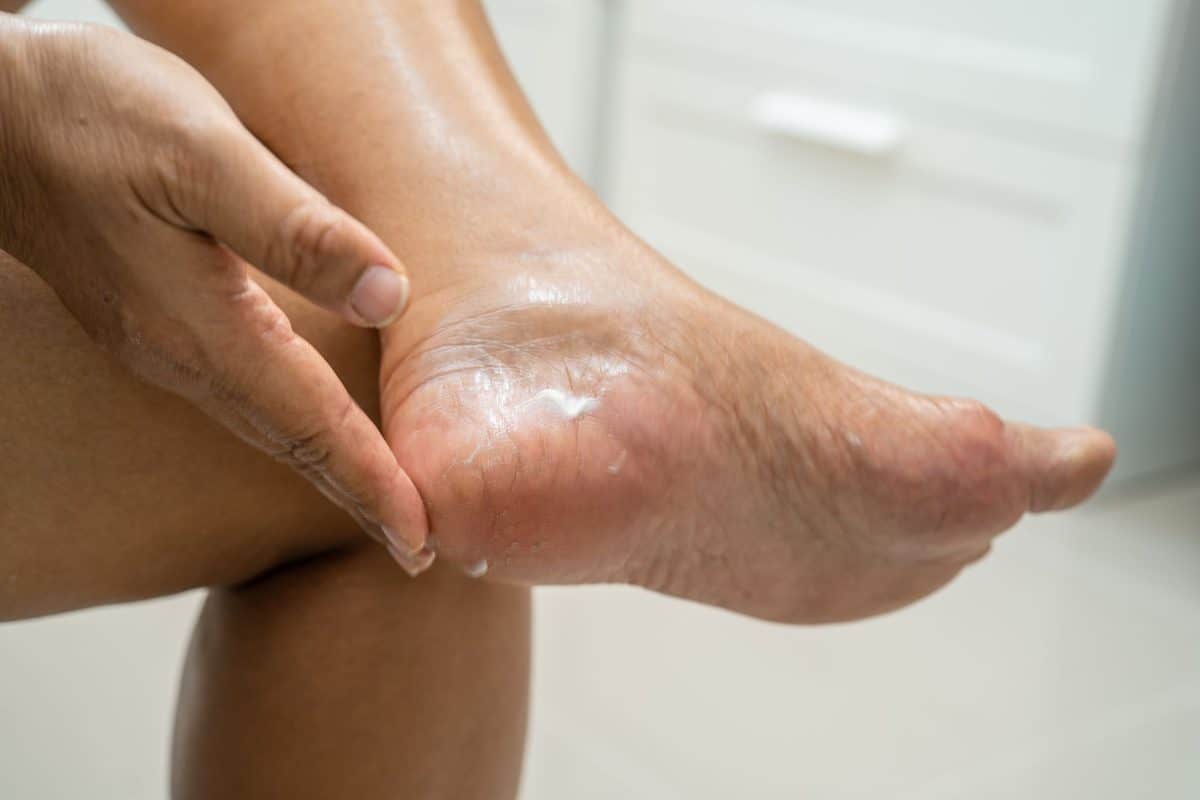
Here are some ways to prevent problems from arising:
- Treat feet with the same care as the face and body. If you know feet are going to be bare or exposed, regularly apply a nourishing product and spend time massaging it into the heels.
- Limit time in the bath or shower. Spending less time in direct contact with water can help prevent dehydrated skin. Additionally, use lukewarm instead of hot water.
- Make sure shoes are the correct size, provide adequate support and are made of breathable materials.
- If concerned about a potential skin condition like eczema or psoriasis, it is crucial to visit a GP or dermatologist for a diagnosis. They can advise on the correct course of treatment.
Helping cracked heels heal
There are multiple ways to treat cracked heels. Dr Bharti Rajput suggests the following footcare routine: “To help cracked heels, rub them dry with a foot file then follow with a freshening foot soak in a basin of warm water. Add some Epsom salts to further hydrate the skin. Finally, apply a good foot-specific moisturiser.”
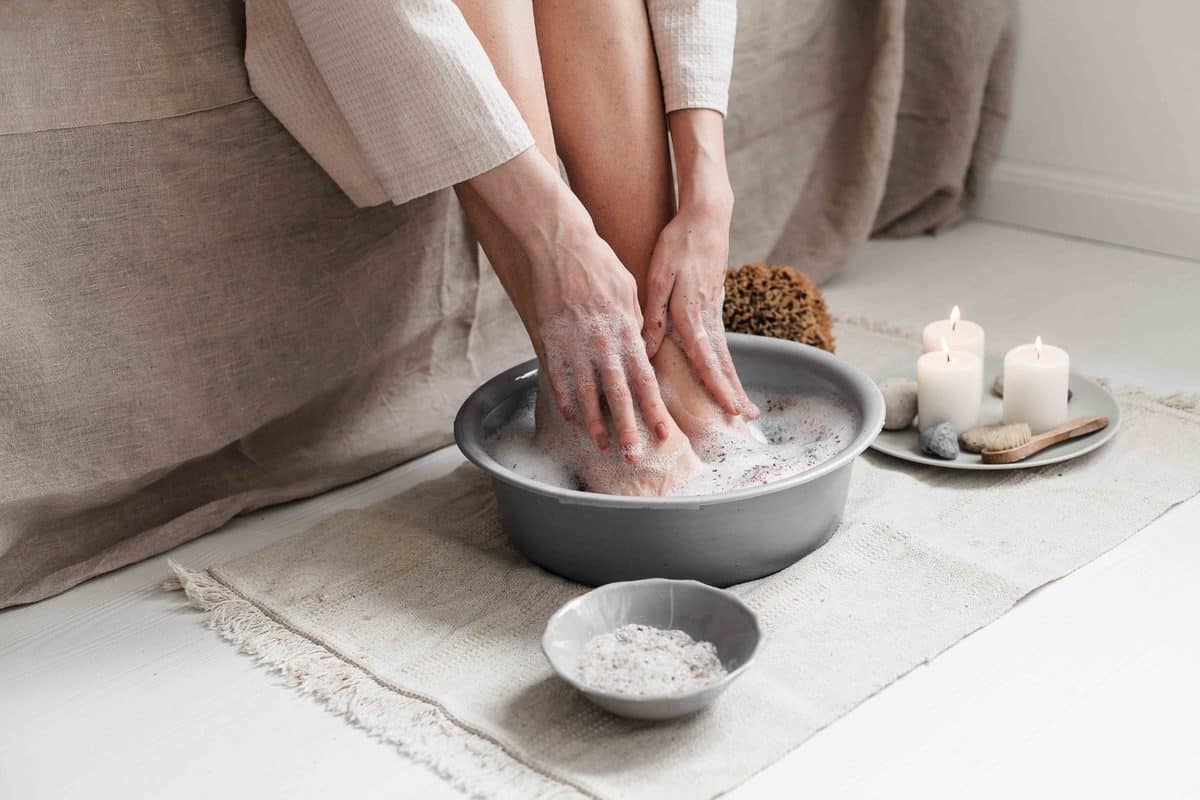
Dr Rajput adds that it is not necessary to cover moisturised feet in a pair of socks unless they are cotton and specifically designed to lock in moisture.
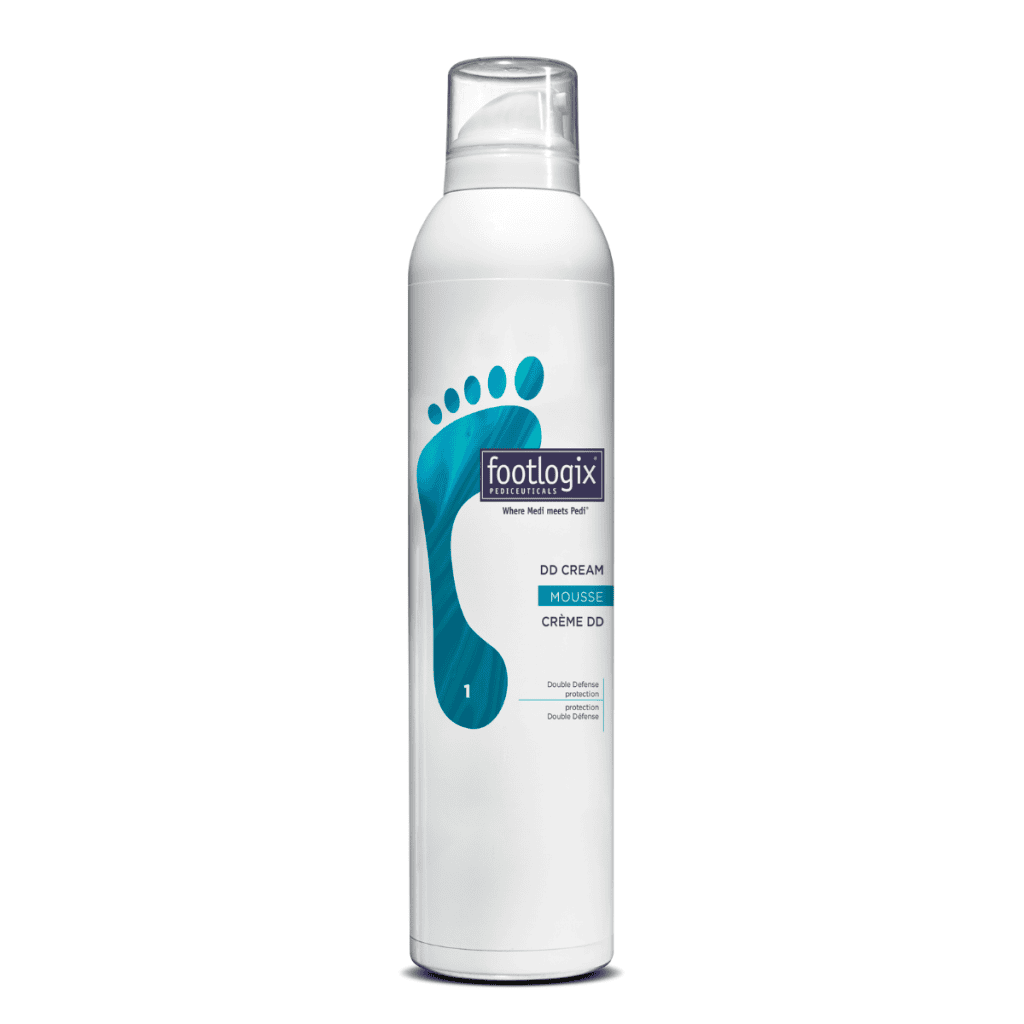
Bryony Cocksedge recommends footcare brand, Footlogix, to help dry and cracked skin. “Footlogix helps target dry skin with its dermal infusion technology and transforms dry, flaky, cracked, peeling skin into beautiful, soft, healthy skin,” she says.
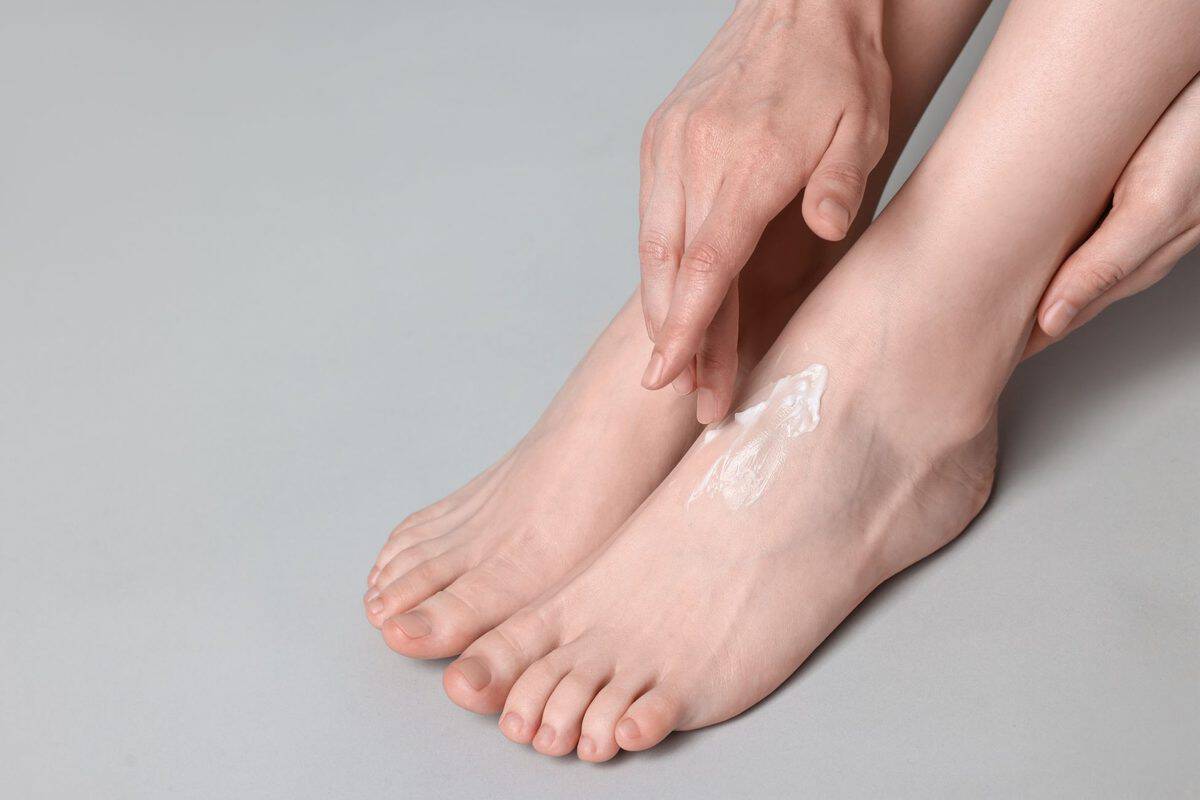
She continues: “I love the Footlogix DD Cream Mousse Formula. The DD stands for Double Defense which does exactly what it implies. It is a super hydrating yet lightweight mousse that is absorbed immediately, locking in moisture.”
We’ve rounded up product picks to help cracked heels:
www.sweetsquared.com
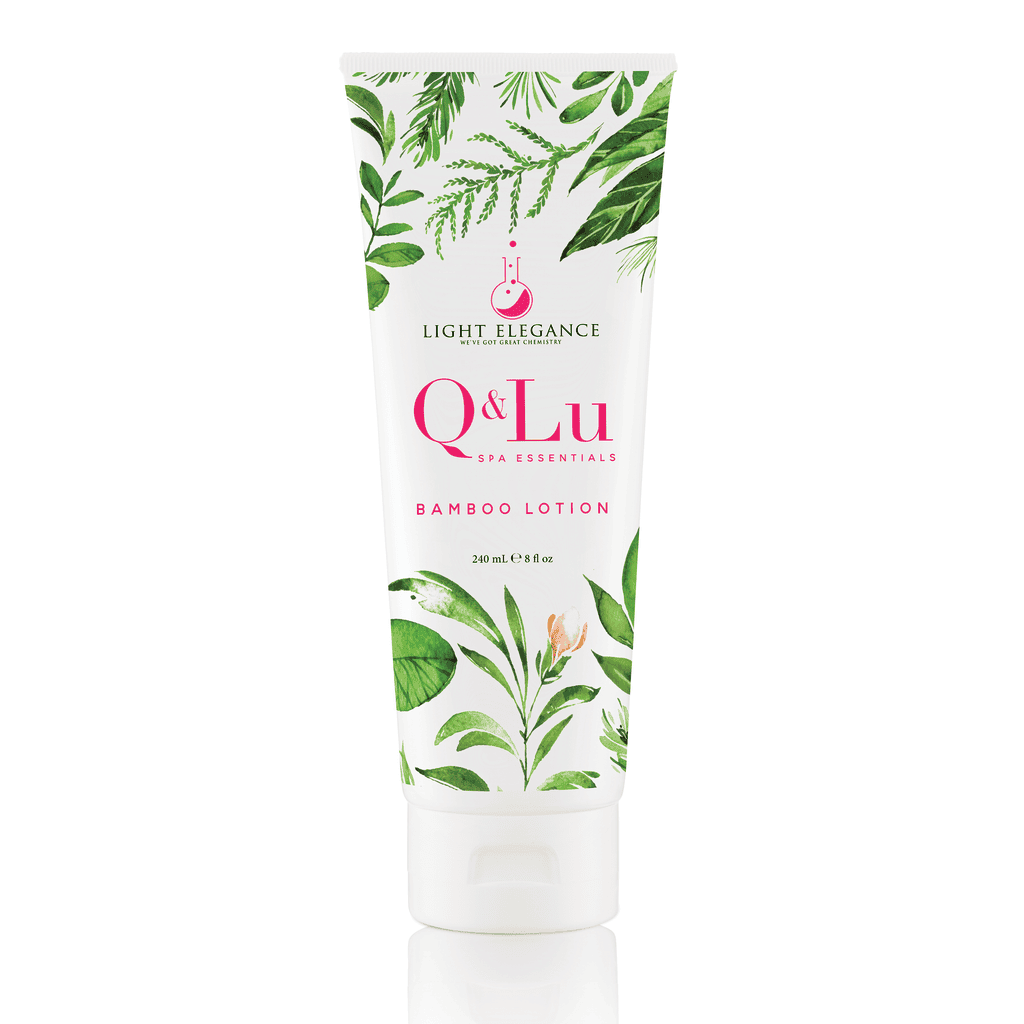
www.lightelegance.co.uk
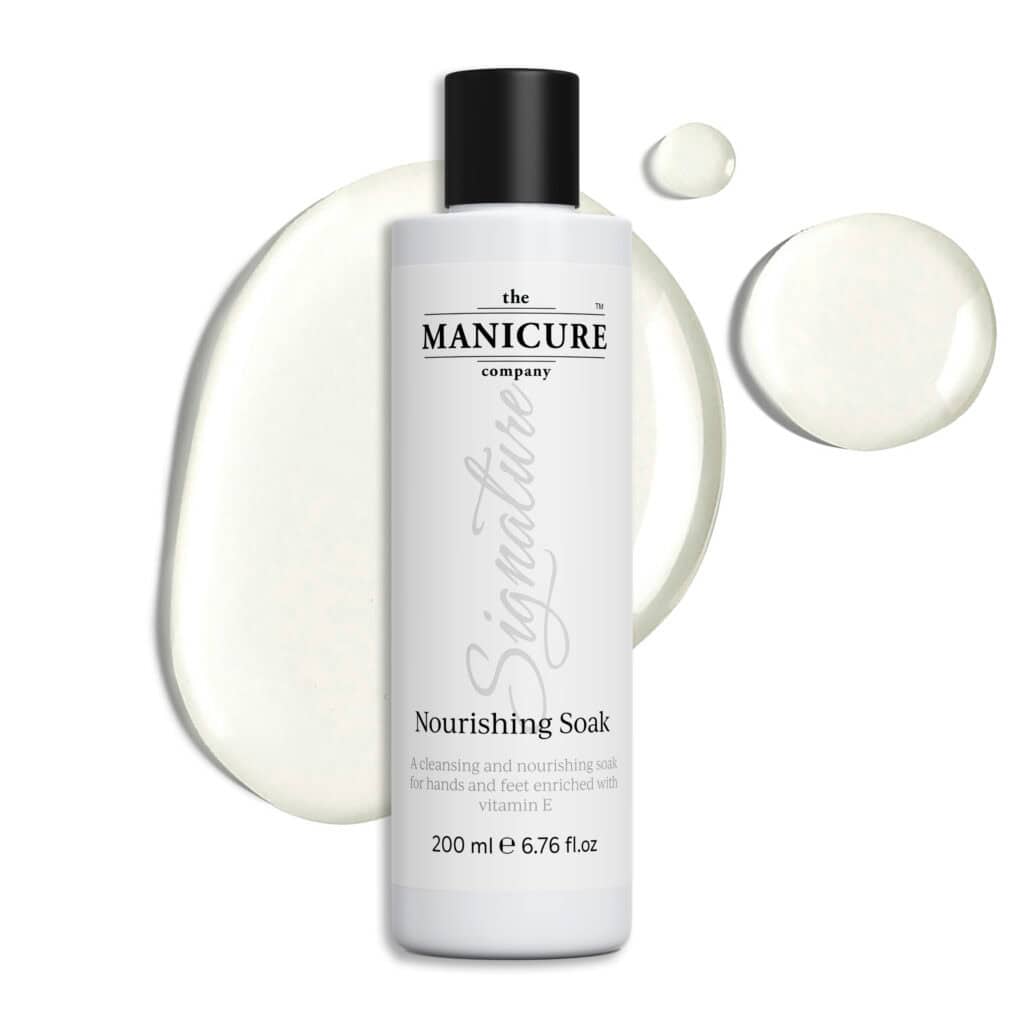
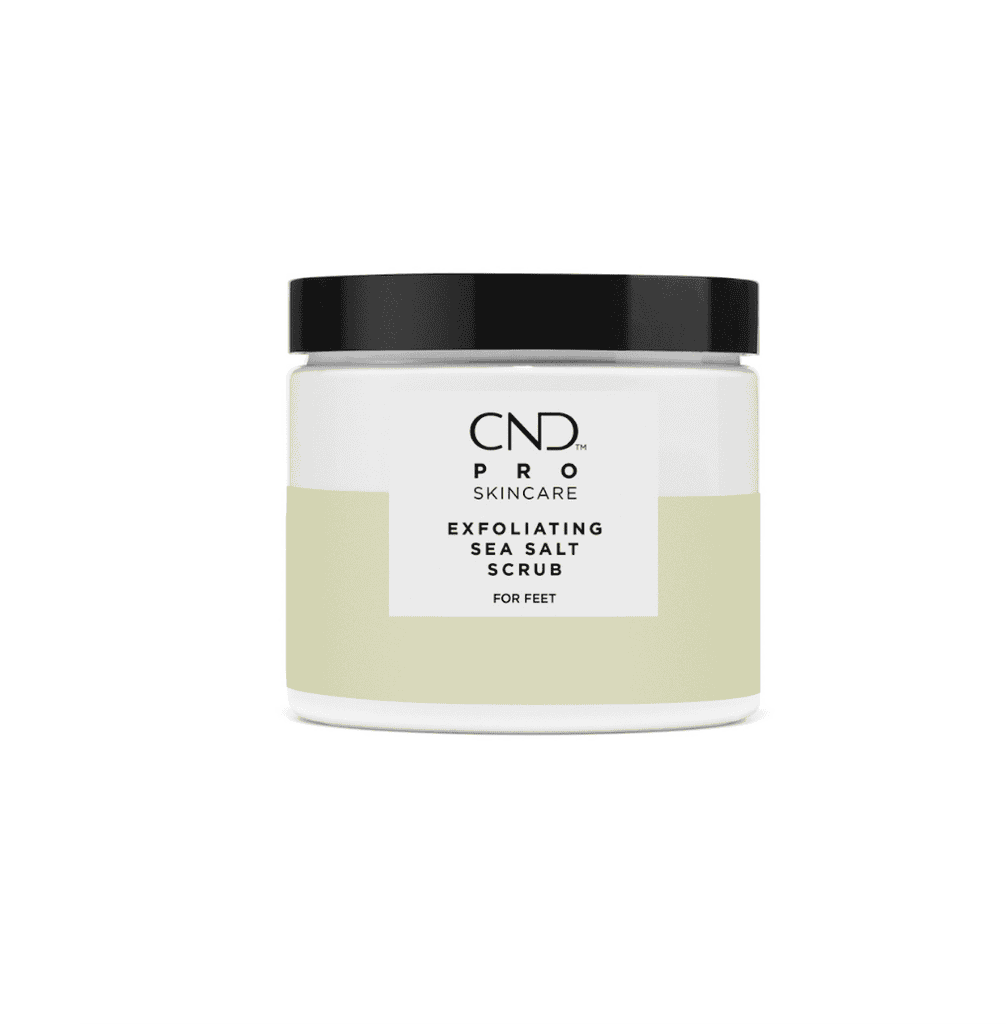
www.sweetsquared.com
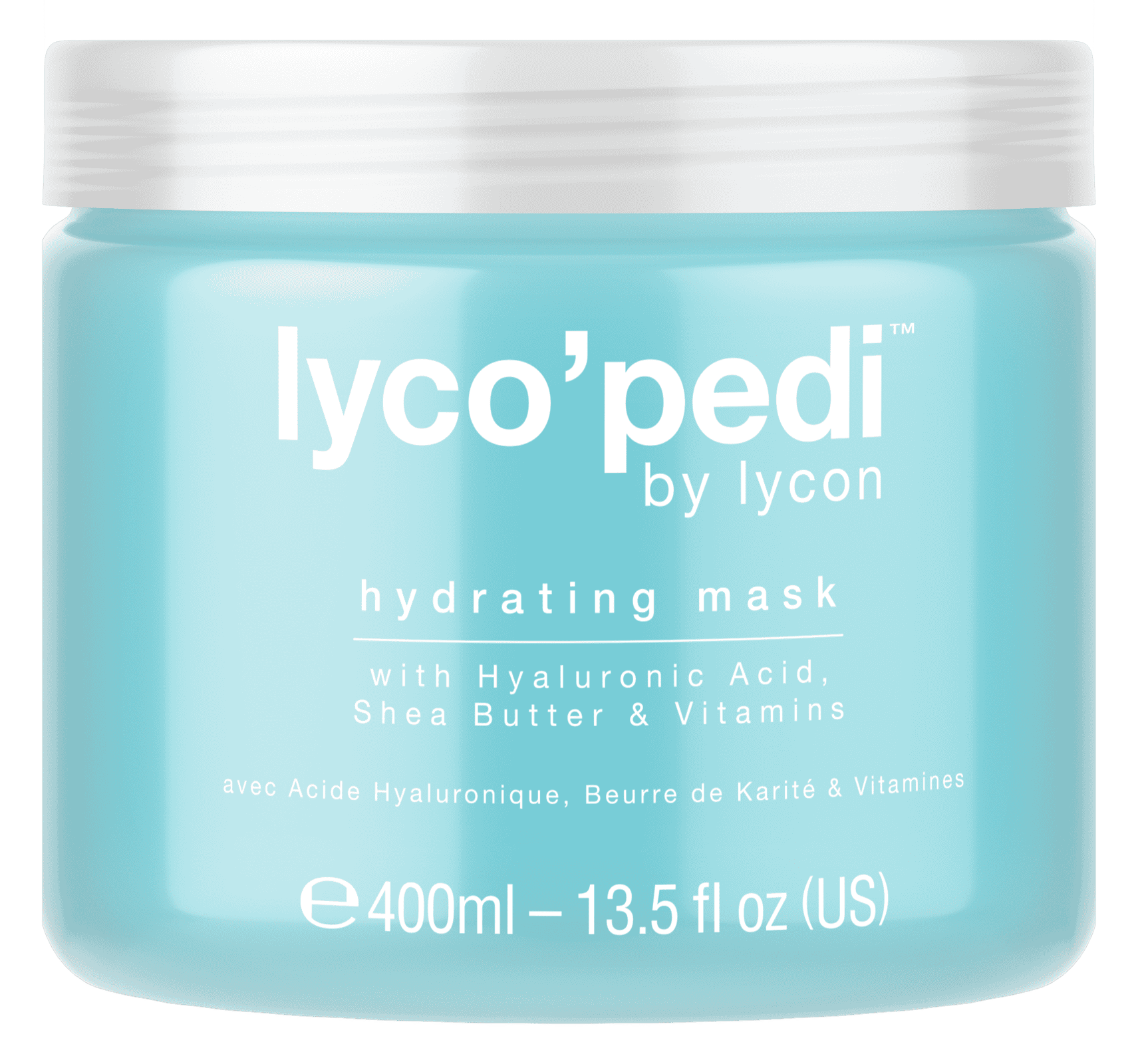
www.beautytriangle.com

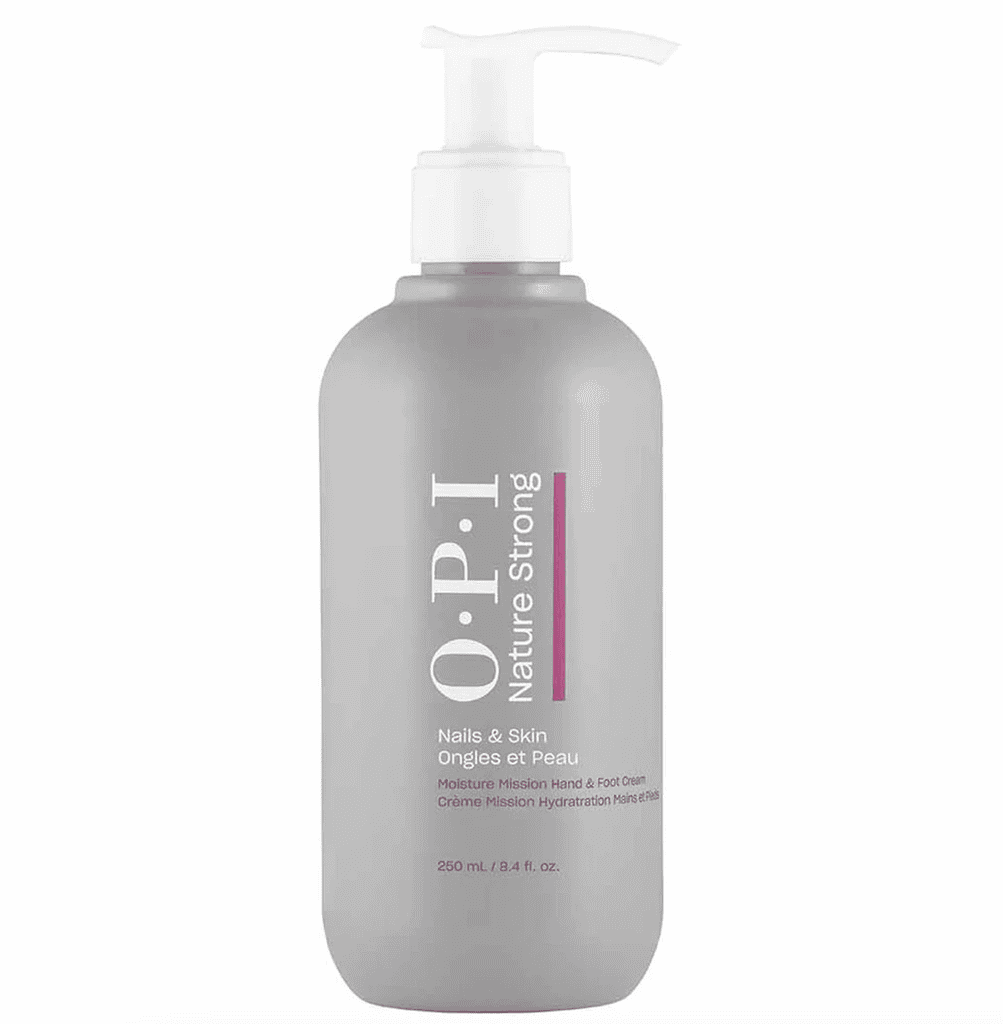
uk.wella.professionalstore.com
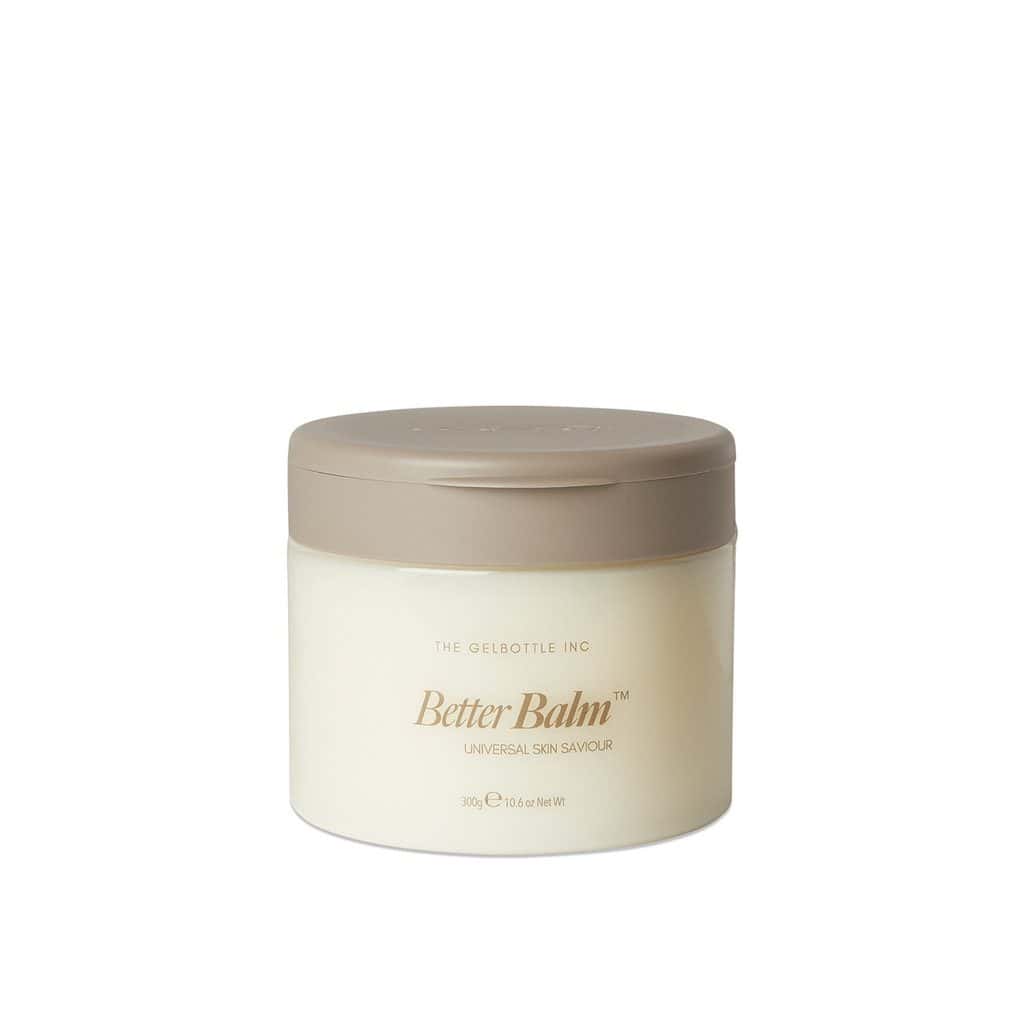
www.thegelbottle.com