


Ingrown nails & greenies: how to manage them as a nail tech
By Scratch Staff | 03 August 2026 | Business & Education
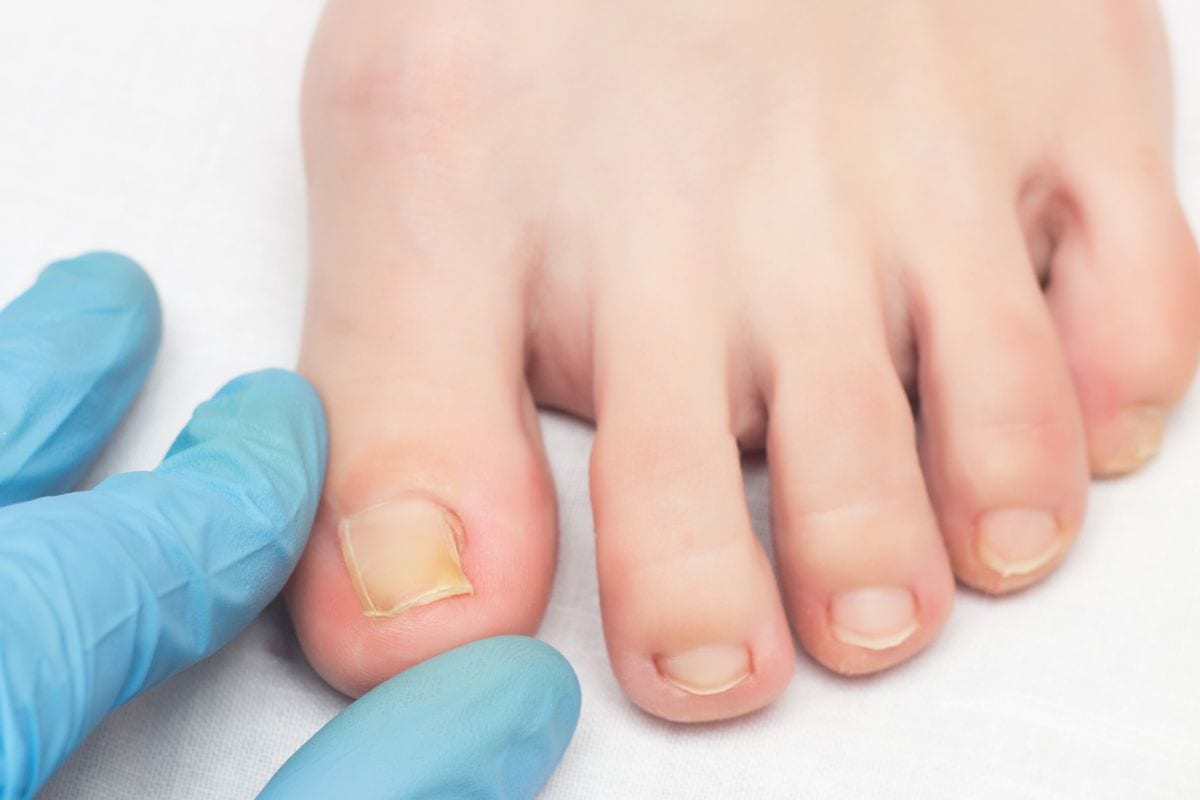
Have clients presented you with conditions like ingrown nails or greenies, but you’ve felt unsure about whether you should continue their appointments?
Read on to freshen up your initial training and note the natural nail conditions that require medical intervention.
While nail professionals should refrain from making medical diagnoses, it’s important to be aware of common nail conditions. “Knowledge of these will help you perform professional and safe services, as well as advise and inform clients,” explains Lucy Price, Scratch Stars Ultimate Natural Nail Specialist. “This will help build trust and encourage clients to return.”
Five untreatable conditions at the nail desk:
1. Onychocryptosis (ingrown nails)
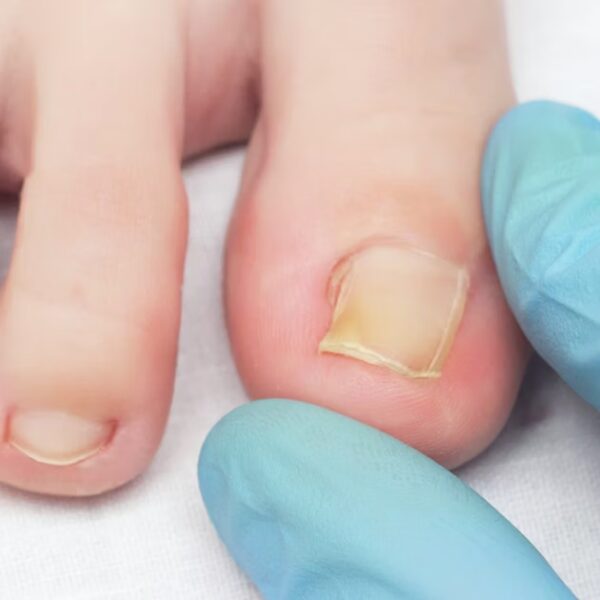
This condition occurs when the edge of a nail embeds into the skin. While ingrown nails are most commonly associated with toenails due to their harder, sharper structure and the constraints of wearing shoes, they can also present on fingers. The causes are varied, but can include cutting nails too short or in a curved shape, having more exaggerated curves in the nails and wearing improperly fitted shoes.
When the nail embeds, clients may experience pain, and you may see inflammation, redness and swelling around the impacted area, which can indicate an infection. To prevent ingrown nails in clients, avoid cutting nails too short, and be sure to cut nails straight across – rather than in a curved shape.
2. Pseudomonas (greenies)
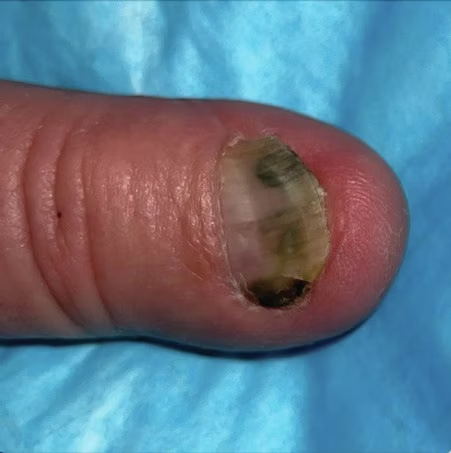
Pseudomonas is an infection often caused by bacteria getting trapped between the nail plate and a gel or acrylic overlay. Lucy Price comments: “Your client may have left too long between maintenance appointments, causing their enhancements to lift and allowing infection to breed. Therefore, you must remind them to book an appointment before this risk arises.”
The infection often starts as yellow or brown in colour, gradually becoming greener, and it can eventually lead to a black discolouration of the nail. Education platform, NailKnowledge, details that greenies can destroy the nail plate, exposing the keratin in the nail and potentially leading to the need for surgical removal.

Are you enjoying this content?
Join our community to receive more like this
3. Onychomycosis (nail fungus)
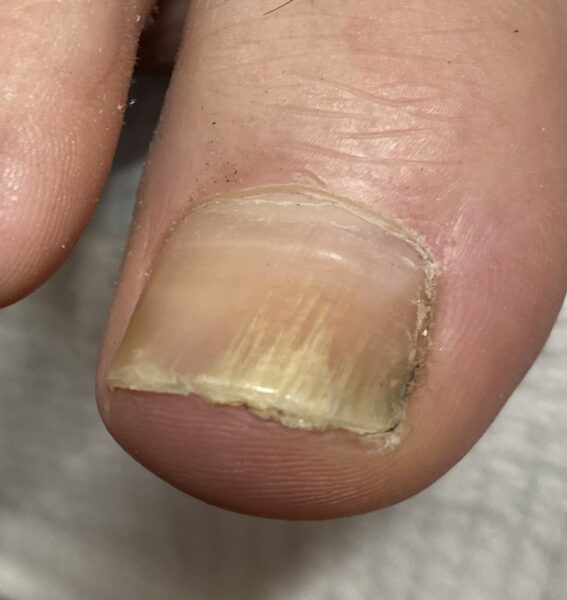
This is a fungal infection that often begins at the free edge or the hyponychium, and works its way towards the cuticle area and nail bed. Education book, Milady’s Art & Science Nail Knowledge, reveals that onychomycosis can take numerous forms, including white patches that can be scraped off, yellow streaks and peeling. Fungal infections require treatment from a medical professional.
4. Onycholysis (nail separation)
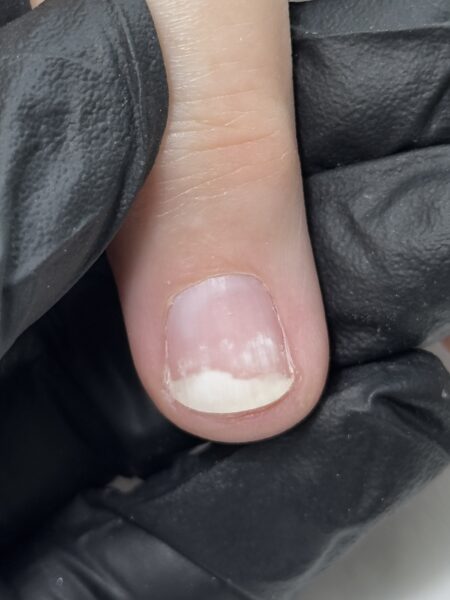
Onycholysis occurs when the nail plate separates from the nail bed and turns white. As the nail plate loosens, a pocket forms, making it susceptible to infection. This condition can be caused by factors such as trauma to the nail, an infection or an allergic reaction.
The ACESO™ system from Famous Names can aid this condition, and nail techs can help by trimming the nail. However, if an allergy is suspected, the client should be tested to identify its cause and prevent reoccurrences.
5. Paronychia
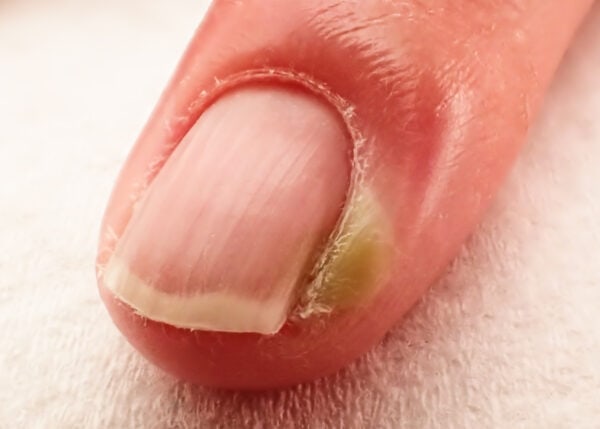
This is a bacterial infection that targets the tissue around the nail. It can occur at the base of the nail, surrounding the nail, the surrounds of the nail plate or on the fingertip. The client may report tenderness in the area, and you may observe redness and swelling. Common causes of paronychia include the use of unsanitary implements, as well as the aggressive pushing or cutting of cuticles.
Delicate deliveries
While you may need to refuse a nail service, you still have a duty to treat clients with care. “It’s crucial to approach such situations with empathy and professionalism,” says Sara Pinto, Andreia Professional nail product director. “Start by explaining that the client’s health and safety are your priority. Emphasise that certain conditions require medical attention, and postponing the service will ensure the best results in the long term.”
“While you may not be able to continue with the planned service, you can offer the client alternatives, such as a hand and arm or leg and foot massage,” suggests Tanya Jeskins, Scratch Stars Natural Nail Specialist of the Year finalist 2024, 2025 and 2026.