


Nail pros share how to achieve the perfect chrome application
By Scratch Staff | 04 August 2026 | Business & Education
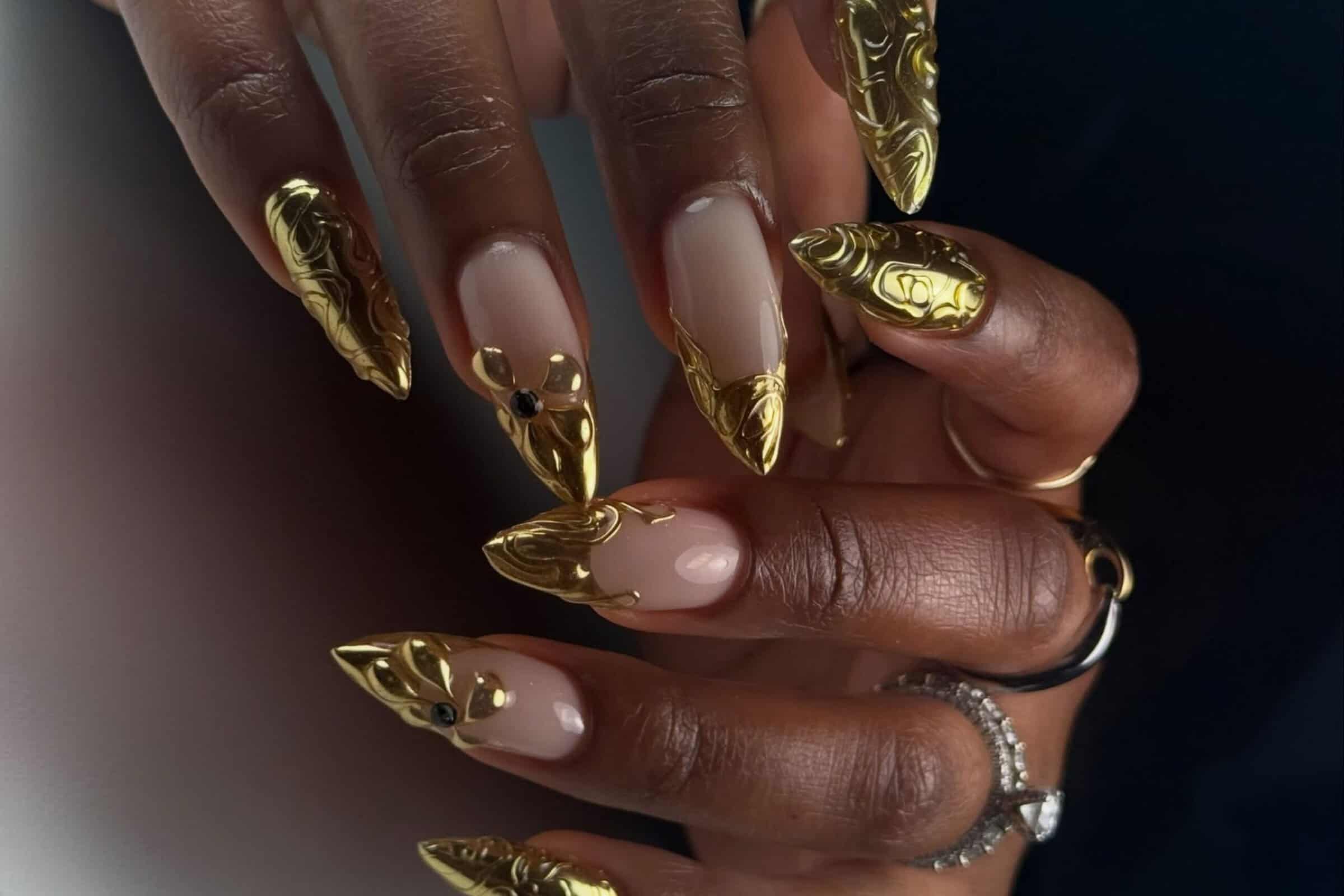
Chrome designs have become a staple style for anyone looking to elevate their nails with a pop of metallic magic.
However, chrome application can prove tricky, with many nail techs struggling to achieve the desired finish. We asked nail experts how to avoid common issues and ensure a fabulous finish every time…

“Whether it’s used to create a full coverage look, add metallic details or enhance a French tip, chrome is a great addition to any nail design,” comments Scratch Stars Ultimate Natural Nail Specialist & Builder Gel Tech of the Year 2026, Lucy Price.

“Once you have perfected chrome application, you may find your clients requesting it at most appointments. It’s the perfect finish for a special occasion,” adds Scratch Stars Gel Polish Stylist of the Year 2025 & finalist for 2026, Sophie Donaldson.
Chipping & peeling

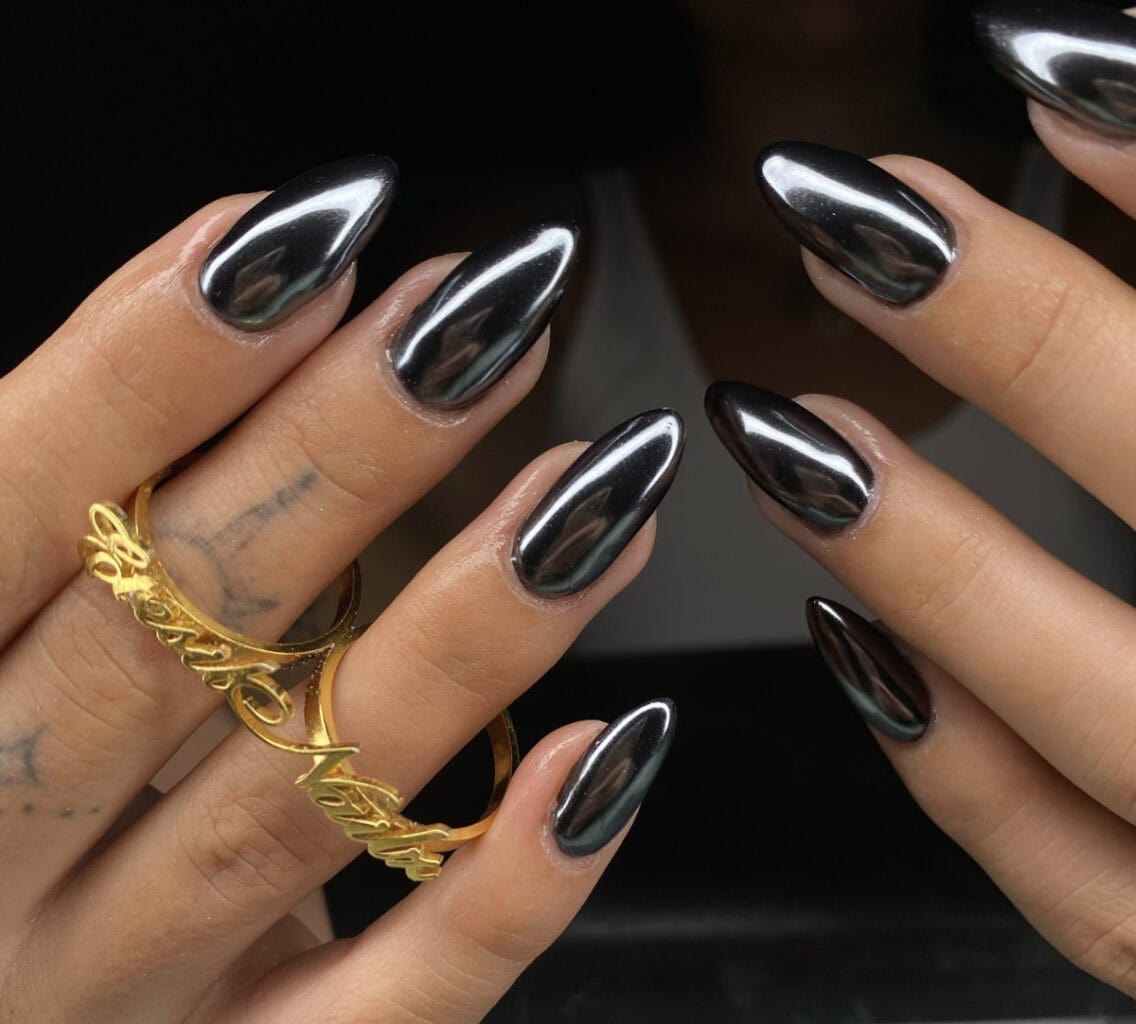
Award-winning nail pro, educator & founder of Katie Barnes Tool Range & Education, Katie Clark (née Barnes), says: “Less is more when it comes to chrome powder, and a little goes a long way. When you apply it to a nail, do so sparsely and firmly, polishing it in until you achieve a mirror-like effect.
“When you begin to achieve the look you want, turn your applicator or brush to its clean side and buff for a little longer. If the chrome powder goes on too thick, it will leave sparkly particles. This excess product can prevent a thorough cure, which can cause chipping or peeling. Use a soft fluffy brush to dust off any excess.”
Katie continues: “It is paramount to cap the free edge to ensure you are encasing the chrome pigment sufficiently, otherwise the nail could be prone to chipping. If you aren’t sure how well you are applying top coat, be safe and apply two layers.”

“Chrome can inhibit the adhesion of gel layers, so you must make sure that you are fully encapsulating the nail with top coat,” reveals Norwich-based nail artist, Claire Howard. “Float the top coat onto the nail and carefully encapsulate, before capping the free edge to give the chrome design longevity. Repeat if desired.”

“I like to buff the sides and free edge of the nail before applying top coat to remove excess powder,” says Scratch Stars Mixed Media Artist of the Year 2025 & 2026, Alice Nali. “This makes the surface slightly rougher, so the top coat adheres better and the nail finish lasts longer.”
No mirror-like effect
“Chrome must be applied over a cured layer of non-wipe top coat. If applied directly onto a colour or tacky layer, a mirror-like effect won’t be achieved,” explains Katie Clark. “If the top coat isn’t sufficiently cured (quite commonly on the thumbnails if the client hasn’t positioned these correctly), you will experience this issue.
“Choose a high-quality, highly pigmented chrome with the smallest micron size and fewest fillers to achieve the best effect. Just as glitter must be cosmetic grade, so must chrome. A good quality chrome pigment will not blend or bleed the powder.”
Chrome not adhering

“Not all tack-free top coats are suitable for chrome application,” shares award-winning home-based nail pro, Jenny Nagorski. “Do your research on which to use with chrome, as some brands offer top coats or products designed specifically for chrome application.”
Katie Clark adds: “Once you have applied non-wipe top coat over your colour of choice, do not touch the surface. Even though it is non-tacky, you can transfer oils from your skin, which may affect adhesion.
“If you over-cure the top coat that the chrome is being applied onto, the chrome pigment will often rub straight off. Always follow the manufacturer’s instructions on cure times.”

Are you enjoying this content?
Join our community to receive more like this
Unsmooth finish
“Pitting, dents or wrinkling in your top coat or chrome occur when the top coat is contaminated with chrome pigment or other containments,” explains Katie Clark.
“It’s very important to work on a smooth surface when applying chrome powder,” comments Alice Nali. “Ensure there are no lumps or bumps on the nail before powder application, allowing for an even finish.”
Claire Howard agrees, adding: “Be mindful of catching the chrome with your tools before applying top coat, as the surface can scratch easily. Check nails under your desk light for any lumps or dust before curing each layer, as imperfections will be amplified with a chrome finish.”
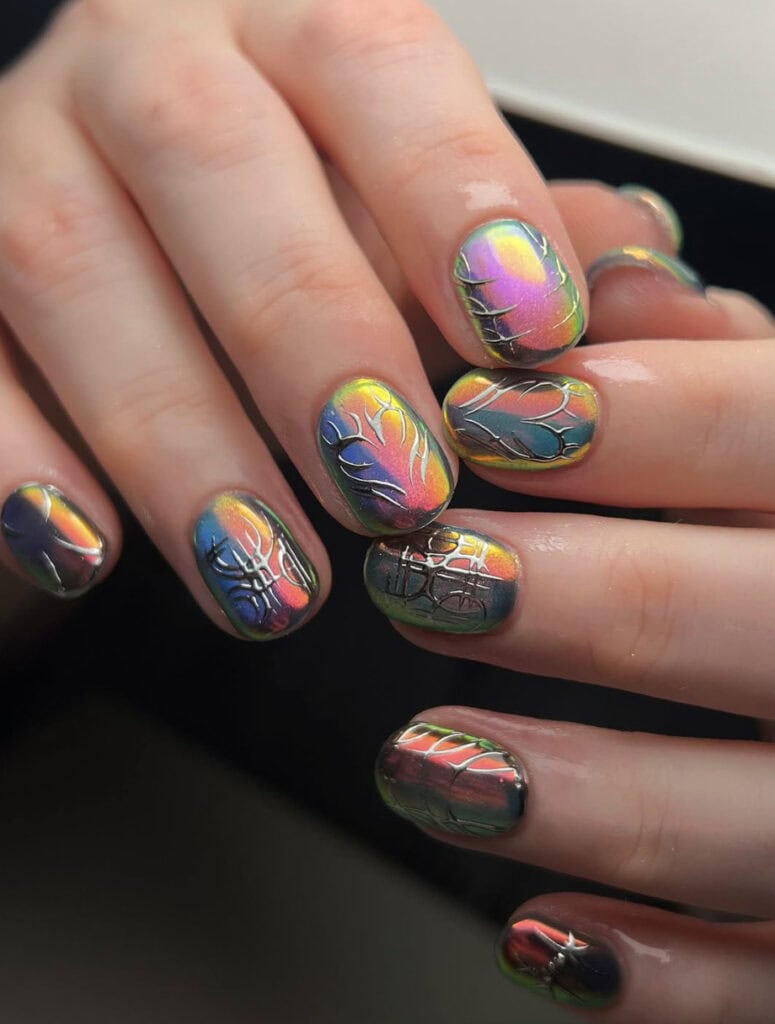
Need some chrome nail inspo? Check out our gallery of chrome nail designs here.
Lead image courtesy of Instagram.com/nickonails.inc